

.svg)


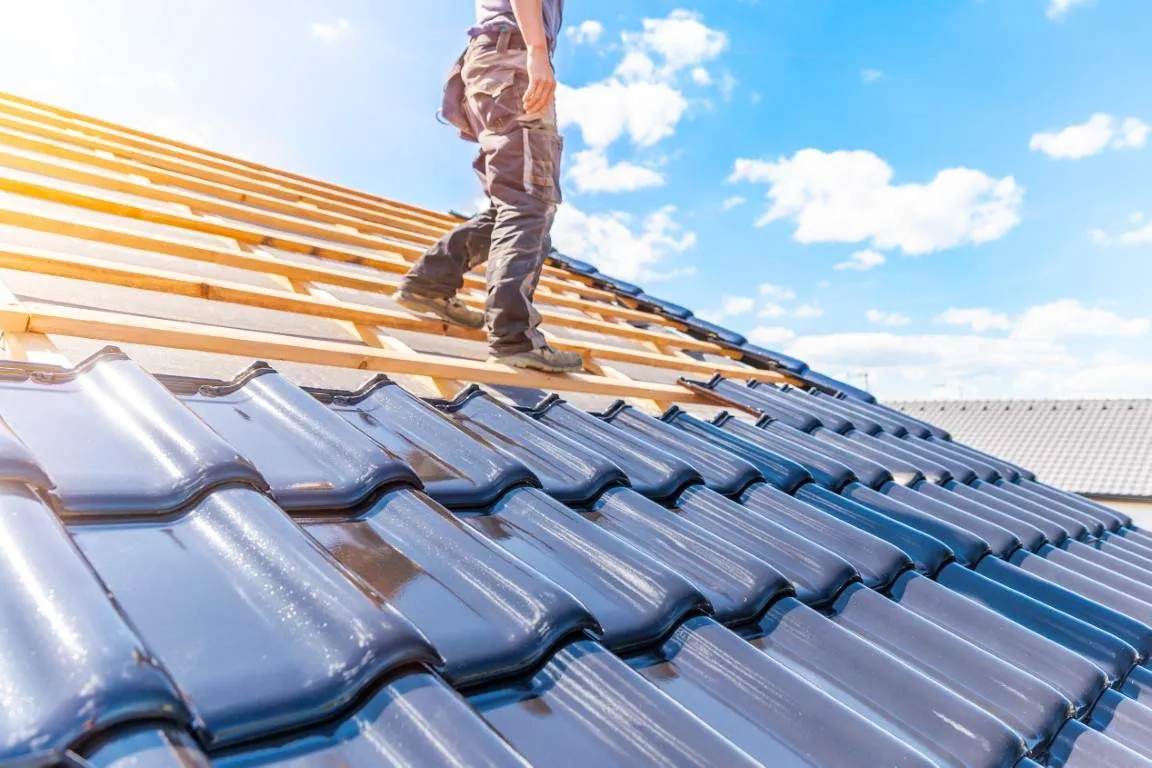
The strength and durability of a roof depend heavily on the materials used during installation. While every roofing system is designed to protect a home from the elements, the performance of that system can vary depending on the type and quality of materials involved.
In the DFW Metroplex, roofs must withstand intense heat, strong winds, hailstorms, and heavy rain. These conditions make it especially important for homeowners to understand how roofing materials influence the performance of their roof.
Choosing the right materials and maintaining them properly helps ensure the roofing system continues protecting the home for years to come.
Roofing materials form the outer layer of the roofing system and serve as the first line of defense against weather conditions. They work together with other roofing components such as underlayment, flashing, and ventilation to keep moisture out and maintain structural stability.
High-quality roofing materials help:
Because these materials handle the most direct exposure to the elements, their quality plays a major role in roof durability.
Asphalt shingles are one of the most common roofing materials used in residential homes across North Texas. They are widely used because they offer reliable protection while remaining cost-effective for homeowners.
When properly installed and maintained, asphalt shingles can provide many benefits, including:
These shingles are designed to handle a wide range of weather conditions, making them suitable for homes in the DFW area.
Roofing materials must withstand constant exposure to weather. In North Texas, roofs regularly experience high temperatures, heavy rainfall, hailstorms, and strong winds.
Durable roofing materials help the roof resist:
Materials that perform well under these conditions help maintain the integrity of the roofing system.
Not all roofing materials perform the same way. Higher-quality materials often provide greater durability and resistance to environmental stress.
Quality roofing materials typically offer:
Using durable materials helps reduce the likelihood of early roof deterioration.
Roofing materials are only one part of a larger roofing system. To function effectively, they must work together with other components such as:
When these elements work together properly, the roof becomes more capable of handling challenging weather conditions.
Even the most durable roofing materials eventually begin to show signs of aging. Continuous exposure to sunlight, rain, and temperature changes can gradually weaken roofing surfaces.
As materials age, homeowners may notice:
Regular roof inspections help monitor how materials are aging and determine when maintenance may be needed.
Storms can place significant stress on roofing materials, especially during hailstorms or high winds. Even small vulnerabilities in roofing materials can allow moisture to enter the roofing system.
After severe weather, roofing materials should be evaluated for:
Early detection helps prevent small issues from developing into larger problems.
Proper maintenance helps preserve the performance of roofing materials and extend the life of the roof.
Preventative maintenance may include:
These steps help ensure roofing materials remain effective at protecting the home.

Roofing materials play a crucial role in determining how well a roof performs over time. When high-quality materials are installed correctly and maintained regularly, the roof is better equipped to withstand the demanding weather conditions of North Texas.
If you want to ensure your roofing system remains strong and reliable, Timeless Roofing provides expert guidance and quality craftsmanship designed to help homeowners maintain durable roofing systems throughout the DFW Metroplex.

.svg)

.svg)
.svg)
.svg)