

.svg)


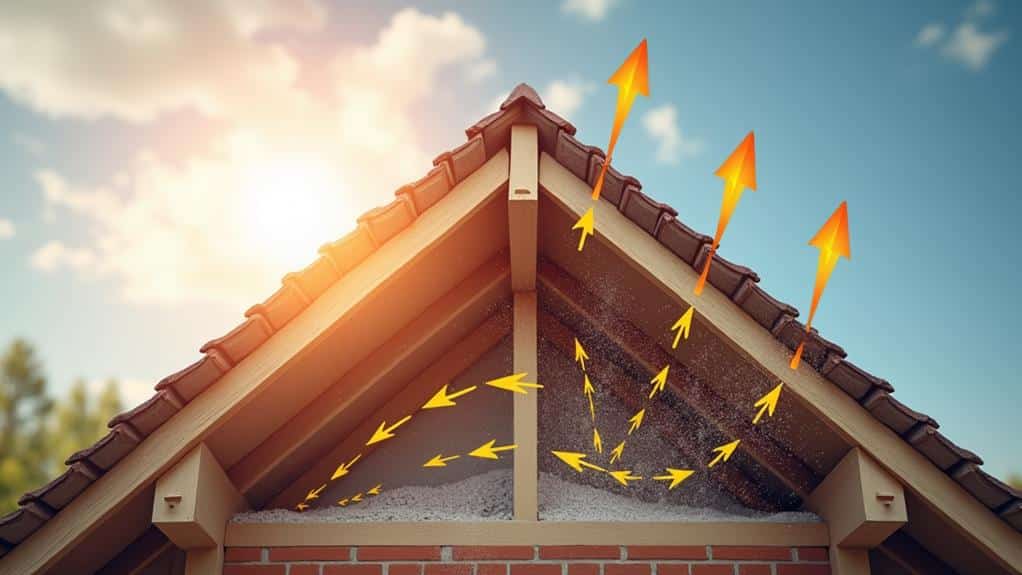
When homeowners think about roofing, they often focus on shingles, flashing, or repairs. However, one of the most important components of a roofing system is something many people rarely see: ventilation. Proper roof ventilation plays a crucial role in protecting both the roof and the interior of the home.
In the DFW Metroplex, where temperatures can rise dramatically during the summer months, ventilation becomes even more important. Understanding why roof ventilation matters helps homeowners maintain the health and durability of their roofing system.
Roof ventilation allows air to circulate through the attic space. A properly balanced ventilation system works by allowing fresh air to enter through intake vents and exit through exhaust vents.
This airflow helps regulate temperature and moisture levels inside the attic.
Without adequate ventilation, hot air and moisture can become trapped, creating conditions that may damage roofing materials and structural components.
During Texas summers, attic temperatures can become extremely high. Without ventilation, heat can accumulate and create a number of problems for the home.
Excess attic heat may:
Proper ventilation helps remove hot air from the attic, allowing the roofing system to perform more effectively.
Roofing materials are designed to withstand outdoor weather conditions, but extreme heat from below can shorten their lifespan.
When attic temperatures rise too high, shingles may:
Ventilation helps maintain a stable environment beneath the roof, reducing unnecessary stress on roofing materials.
Moisture is another major concern for roofing systems. Everyday activities such as cooking, showering, and laundry release moisture into the air inside the home.
If that moisture becomes trapped in the attic, it can lead to:
Ventilation allows moisture to escape, helping keep the attic dry and preventing long-term damage.
A well-ventilated attic can also improve your home’s energy efficiency.
When hot air becomes trapped in the attic, the heat can transfer into living spaces below. This forces air conditioning systems to work harder to maintain comfortable indoor temperatures.
With proper ventilation, heat escapes more easily, helping reduce the strain on cooling systems during the summer months.
Roof ventilation works together with other roofing components to protect the home. A balanced system helps maintain the performance of materials such as:
When ventilation is functioning correctly, these materials are less likely to experience premature deterioration.
Homeowners may not always notice ventilation problems right away, but there are several signs that may indicate an issue.
Common warning signs include:
If any of these symptoms appear, a professional inspection can help determine whether ventilation adjustments are needed.
Because ventilation systems are integrated into the roofing structure, proper evaluation requires professional expertise. Roofing professionals can assess whether intake and exhaust vents are balanced and functioning correctly.
They can also identify other roofing concerns that may be contributing to ventilation issues.
Regular inspections ensure that both the roof and ventilation system continue working together to protect the home.

A healthy roofing system depends on more than just durable materials. Proper ventilation plays a vital role in maintaining the long-term performance of the roof and preventing costly structural problems.
If you want to ensure your roofing system is properly ventilated and performing at its best, Timeless Roofing provides detailed inspections and quality craftsmanship designed to help homeowners maintain strong and reliable roofing systems throughout the DFW Metroplex.

.svg)

.svg)
.svg)
.svg)