

.svg)


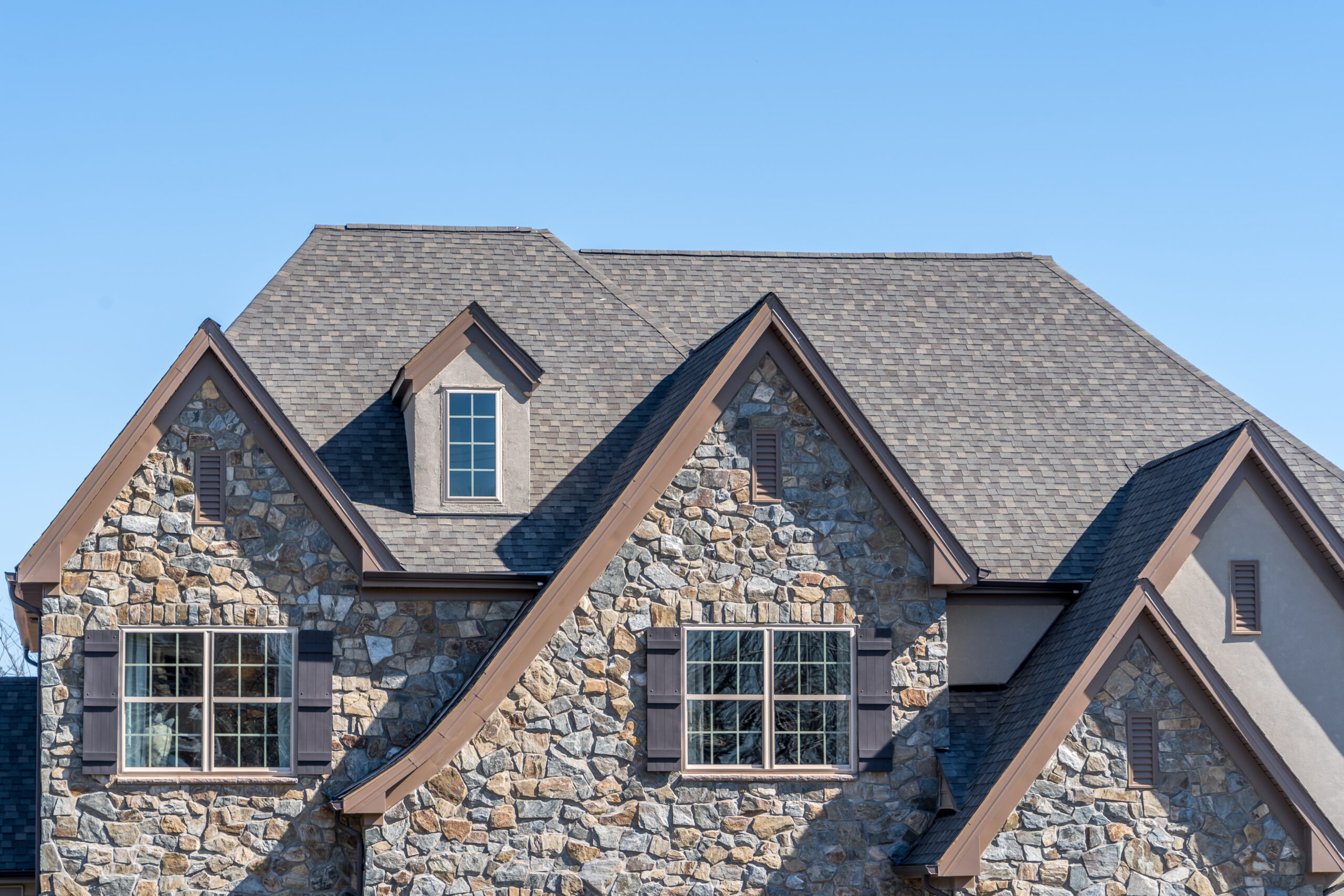
Many homeowners are familiar with shingles and gutters, but fewer people realize how important roof valleys are. Roof valleys are the areas where two slopes of a roof meet, forming a channel that directs water down toward the gutters.
Because these sections handle a large amount of rainwater during storms, they play a crucial role in protecting the home from leaks and moisture damage. In the DFW Metroplex, where heavy rainfall and severe weather are common, roof valleys must remain in strong condition to ensure the roof performs properly.
Understanding why roof valleys are important can help homeowners recognize potential problems early and maintain a healthy roofing system.
Roof valleys are designed to guide rainwater safely off the roof. When water flows down multiple roof slopes, it naturally gathers in these valley channels before moving toward the gutters.
Because so much water flows through these areas, roof valleys experience more stress than many other parts of the roof.
To handle this constant water flow, valleys are typically reinforced with special materials such as:
These components work together to ensure water drains properly without entering the roofing structure.
Because roof valleys handle such a large amount of water, they are one of the most vulnerable areas of the roofing system.
Several factors can affect the condition of roof valleys, including:
If any of these issues occur, water may begin penetrating the roofing layers beneath the shingles.
Leaves, branches, and other debris often collect in roof valleys because of their shape. When debris blocks water flow, rainwater may begin pooling in the valley.
Pooling water increases the risk of:
Keeping roof valleys clear of debris helps maintain proper drainage during storms.
Severe storms can impact roof valleys in several ways. Hail and strong winds may loosen shingles or damage flashing in these channels.
Because valleys carry heavy water flow, even small vulnerabilities can quickly allow water to enter the roof.
After major storms, inspecting valley areas can help identify potential issues before they worsen.
Roof valleys often show signs of wear sooner than other areas because of constant exposure to water.
Over time, shingles in valley sections may:
When valley materials begin to deteriorate, water protection may weaken.
Homeowners may not always notice valley damage immediately, but certain warning signs may indicate that these areas need attention.
Possible signs include:
If these symptoms appear, a professional roof inspection may help determine the cause.
Because roof valleys carry so much water, proper installation is essential. Roofing professionals must carefully align shingles and install protective materials that allow water to flow smoothly.
Improper installation can create gaps or weak areas where water may eventually enter the roof structure.
Professional installation helps ensure roof valleys perform as intended.
Routine maintenance plays a major role in keeping roof valleys functioning properly. Regular inspections can help identify early signs of wear or debris buildup.
Maintenance may include:
These steps help ensure water continues to flow safely off the roof.

Roof valleys may not always be the most visible part of a roof, but they are one of the most important. Because they direct large amounts of water away from the roof, maintaining their condition is essential for preventing leaks and moisture damage.
If you want to ensure every part of your roofing system is performing properly, Timeless Roofing provides detailed inspections and quality craftsmanship designed to help homeowners maintain strong and dependable roofing systems throughout the DFW Metroplex.

.svg)

.svg)
.svg)
.svg)