

.svg)


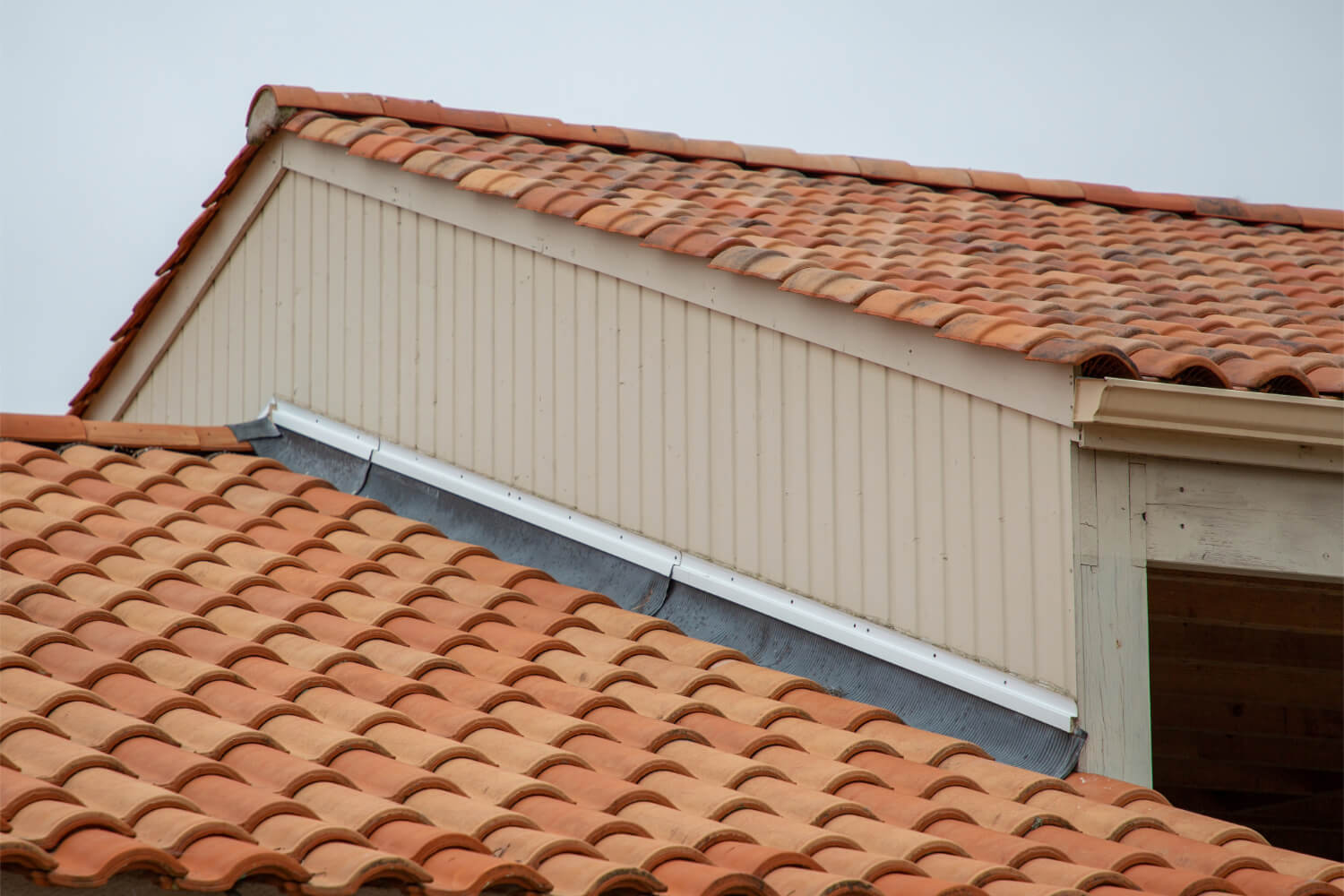
When severe weather hits North Texas, most homeowners immediately check for visible roof damage such as missing shingles or fallen debris. However, one of the most vulnerable and often overlooked parts of a roofing system is flashing. Roof flashing plays a critical role in protecting areas where water is most likely to enter the roof.
In the DFW Metroplex, storms frequently bring heavy rain, strong winds, and hail. These weather conditions can loosen or damage flashing, creating weak points where water can infiltrate the roofing system. Understanding why flashing repairs matter after storms can help homeowners prevent leaks and protect their property.
Roof flashing is a thin layer of metal installed in areas where the roof meets other structures or where there are openings in the roof. These areas are naturally more vulnerable to water intrusion.
Flashing is commonly installed around:
The purpose of flashing is to create a watertight seal that directs water away from these vulnerable points.
Flashing is durable, but severe weather can still impact its performance. Strong winds may loosen flashing, while hail or flying debris can dent or displace it.
Storm damage may cause:
Even small flashing issues can eventually allow water to penetrate the roof structure.
Because flashing protects areas where roofing materials meet other surfaces, damage in these locations can lead to leaks that are difficult to detect.
Water entering through flashing gaps may travel through the roofing system before becoming visible inside the home.
Homeowners may eventually notice signs such as:
Early flashing repairs can prevent these issues from developing.
Any object that penetrates the roof surface creates a potential entry point for water. Flashing helps seal these areas and maintain the integrity of the roofing system.
Common roof penetrations include:
If flashing around these areas becomes damaged during a storm, water can begin entering the roof during the next rainfall.
Flashing issues may seem minor at first, but they can quickly lead to larger roofing problems if not addressed.
When flashing fails, water can reach layers beneath the shingles and affect structural components such as:
Prompt flashing repairs help prevent widespread damage to the roofing system.
Because flashing damage is not always visible from the ground, professional roof inspections are often recommended after major storms.
During an inspection, roofing professionals evaluate:
These evaluations help identify vulnerabilities before they lead to leaks.
Timely flashing repairs are an important part of maintaining the overall health of the roof. Addressing small vulnerabilities early helps ensure the roofing system remains watertight and capable of withstanding future storms.
Routine inspections and preventative maintenance can help homeowners keep their roofs in strong condition.

Storms can affect roofing systems in ways that are not always immediately visible. Flashing damage is one of the most common causes of hidden roof leaks, making post-storm inspections an important step in protecting your home.
If your home has recently experienced severe weather or you want to ensure your roof remains in strong condition, Timeless Roofing provides detailed inspections and quality craftsmanship designed to help homeowners maintain reliable roofing systems throughout the DFW Metroplex.

.svg)

.svg)
.svg)
.svg)