

.svg)


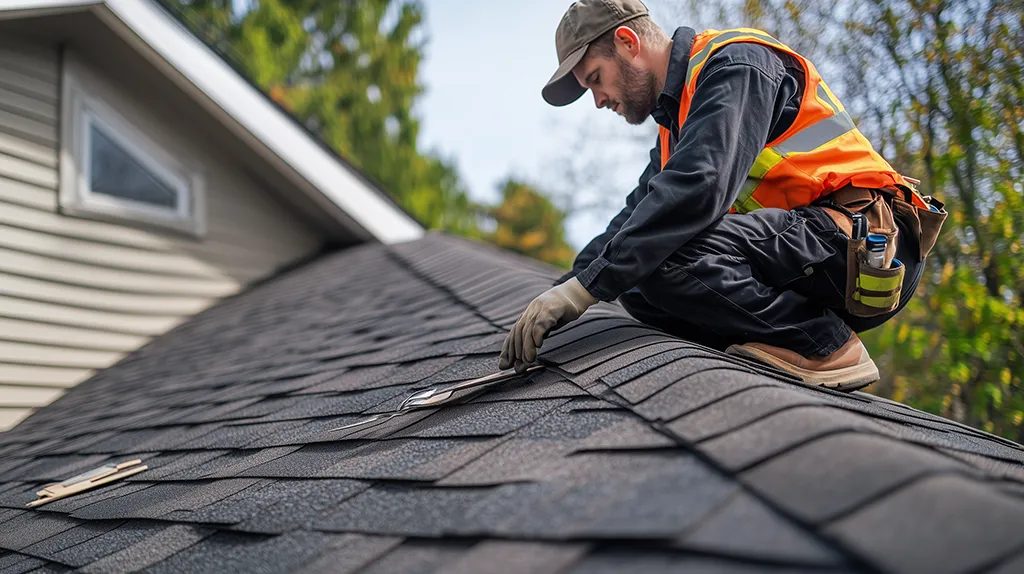
Your roof is one of the most important protective systems of your home. It shields the structure from rain, wind, hail, and intense sunlight while helping maintain a comfortable indoor environment. Because roofs face constant exposure to the elements, they gradually experience wear over time.
Many roofing issues begin as small problems that may go unnoticed until they develop into larger concerns. This is why routine roof inspections play such an important role in maintaining a healthy roofing system. Understanding how roof inspections help identify problems early can help homeowners protect their property and prevent expensive repairs.
Not all roofing damage is easy to see from the ground. While missing shingles or obvious leaks are easy to notice, many roofing issues develop in areas that are difficult to inspect without professional evaluation.
During a roof inspection, professionals carefully examine multiple components of the roofing system, including:
By evaluating these areas closely, inspectors can identify vulnerabilities before they lead to major damage.
Homes in the DFW Metroplex frequently experience storms that bring strong winds, hail, and heavy rainfall. Even when damage appears minimal after a storm, the roofing system may still have been affected.
Roof inspections after storms can reveal issues such as:
Detecting these issues early allows homeowners to address them before future storms worsen the damage.
Water intrusion is one of the most common roofing problems homeowners face. When roofing materials become damaged or seals weaken, moisture may begin entering the roof structure.
Roof inspections help detect early signs of potential leaks, including:
By identifying these issues early, repairs can be completed before water reaches the interior of the home.
Beneath the outer roofing materials are important structural components that support the roof. These include roof decking, insulation, and wooden framing.
If moisture reaches these areas, it may cause:
Regular inspections help ensure that roofing materials continue protecting the structure beneath them.
Every roof has a lifespan, and roofing materials gradually deteriorate due to environmental exposure. Over time, shingles may begin to lose granules, curl, or become brittle.
Routine inspections allow professionals to monitor how roofing materials are aging. This helps homeowners understand when maintenance or repairs may be needed to keep the roof performing effectively.
Proper drainage is essential for preventing water damage. Gutters, roof valleys, and drainage pathways must remain clear to allow rainwater to flow safely away from the roof.
During inspections, roofing professionals may check for:
Maintaining proper drainage helps reduce moisture exposure and protects roofing materials.
Roof inspections can also help identify issues that affect the home’s energy efficiency. Problems with ventilation or insulation may cause attic temperatures to rise, making it harder for the home to maintain comfortable indoor temperatures.
Addressing these issues helps maintain balanced airflow and temperature regulation within the home.
Preventative maintenance is one of the most effective ways to avoid major roofing problems. When small issues are identified early, repairs are typically simpler and less costly.
Routine inspections allow homeowners to stay ahead of potential problems and maintain the overall health of the roofing system.

A strong roofing system depends on regular care and attention. Roof inspections help identify damage early, maintain proper roof performance, and protect the home from long-term structural issues.
If you want to ensure your roof remains strong and capable of handling the challenging weather conditions of North Texas, Timeless Roofing provides detailed inspections and quality craftsmanship designed to help homeowners maintain dependable roofing systems throughout the DFW Metroplex.

.svg)

.svg)
.svg)
.svg)