

.svg)


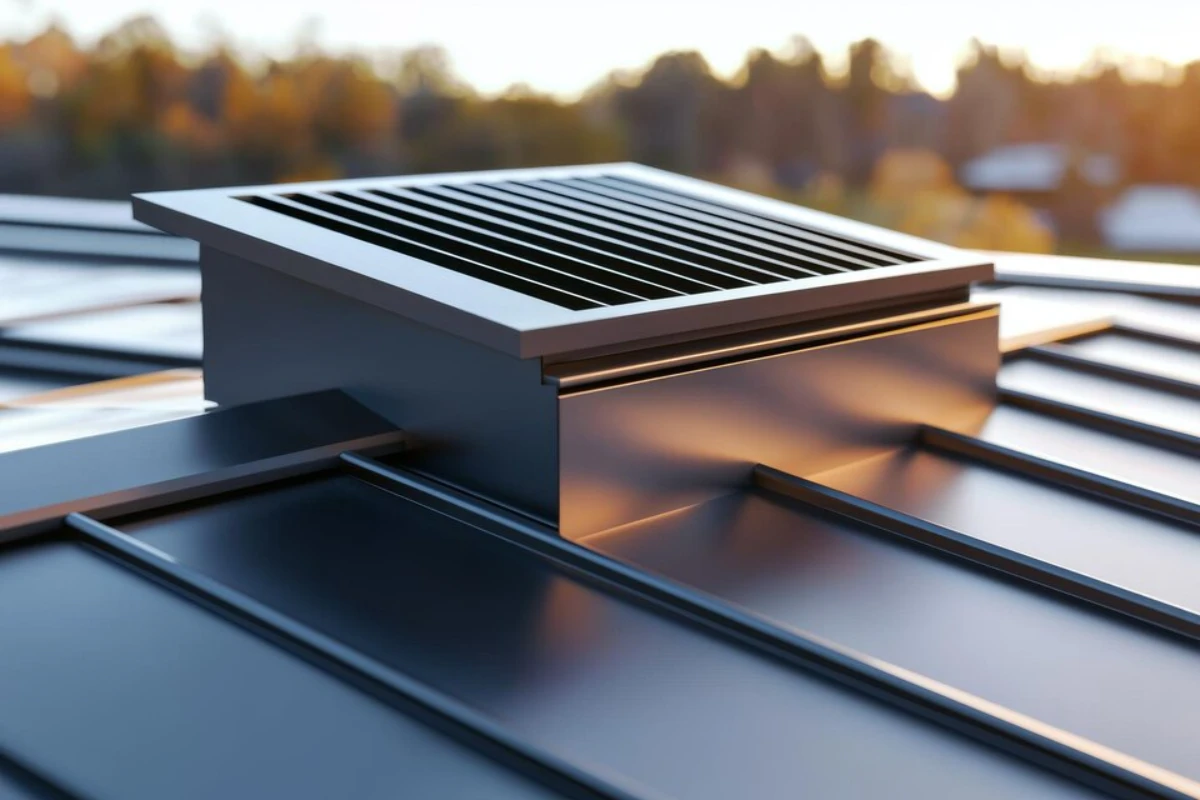
When homeowners think about roofing problems, they usually picture missing shingles or visible leaks. But one of the most important — and overlooked — factors in roof performance is ventilation. In the DFW Metroplex, where summer temperatures soar and humidity can rise quickly after storms, proper roof ventilation plays a critical role in preventing major structural damage.
Understanding why proper roof ventilation prevents major damage helps homeowners protect their roof from the inside out.
Roof ventilation is the system that allows air to circulate through your attic space.
A balanced system typically includes:
This airflow allows hot, humid air to escape while pulling in cooler, fresh air.
During DFW summers, attic temperatures can exceed 140°F without proper airflow.
Excess heat can:
Ventilation helps regulate attic temperature and reduce thermal stress.
Moisture doesn’t only come from leaks. It also comes from:
Without ventilation, moisture can become trapped in the attic.
Trapped moisture may lead to:
Over time, this weakens the roof structure.
The roof decking and rafters form the structural base of your roofing system.
When moisture lingers:
Proper airflow keeps structural components dry and stable.
Poor ventilation forces your cooling system to work harder.
Excess attic heat can:
Balanced ventilation supports both roof durability and energy efficiency.
While Texas doesn’t experience heavy snow like northern states, temperature fluctuations can still create uneven roof surface conditions.
Improper ventilation may contribute to:
Consistent airflow reduces temperature imbalance.
Homeowners should watch for:
These warning signs often indicate ventilation imbalance.
Roof replacement is an ideal time to evaluate ventilation.
A professional assessment may include:
Upgrading ventilation during replacement can significantly extend roof lifespan.
Many manufacturer warranties require proper ventilation.
Improper airflow can:
Correct ventilation protects both your roof and your warranty.

If you’re unsure whether your roof ventilation is functioning properly or are planning a roof replacement, Timeless Roofing provides detailed inspections and quality craftsmanship designed to ensure your roofing system performs efficiently and reliably for years to come.

.svg)

.svg)
.svg)
.svg)