

.svg)


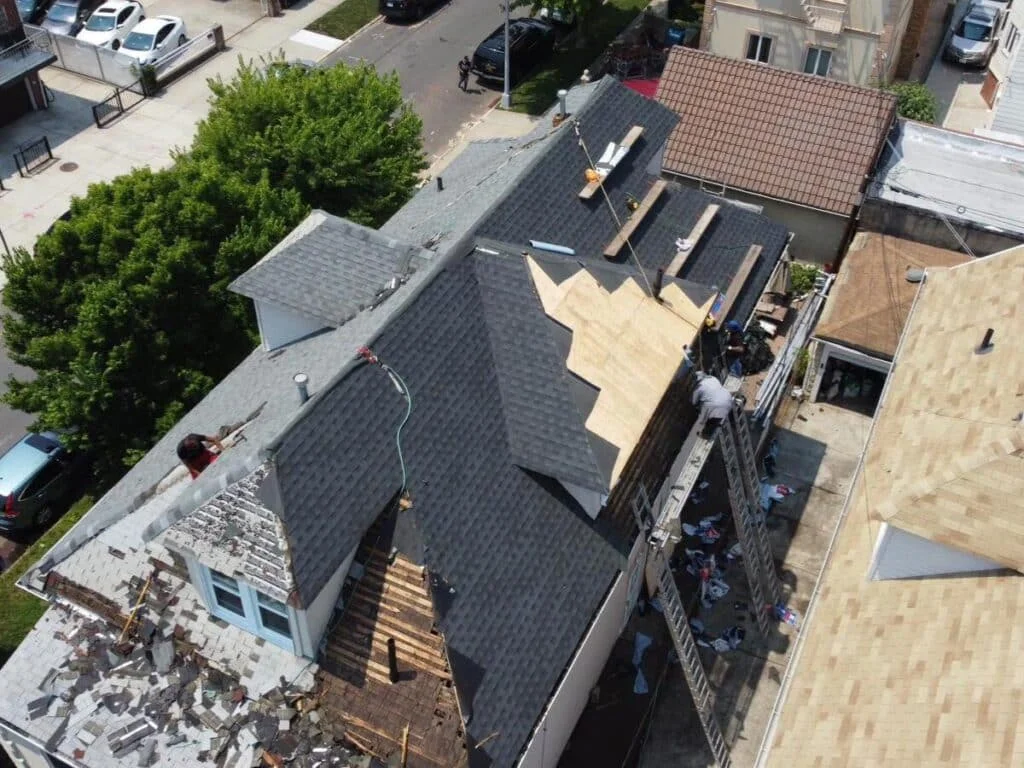
At some point, almost every homeowner in the Dallas-Fort Worth area faces a project that's bigger than a weekend DIY job. Maybe it's a storm that damaged more than just the roof. Maybe it's a renovation that involves multiple trades — framing, plumbing, electrical, and finishes all happening in the same space. Maybe it's a home improvement project that's been on the list for years and finally needs to get done right.
That's when the question comes up: do I need a general contractor?
For most projects of any real scope — anything that involves permits, multiple subcontractors, or structural work — the answer is yes. And in a market like DFW, where the construction industry is busy, the quality of contractors varies significantly, and the stakes of a poorly managed project are high, choosing the right general contractor makes a fundamental difference in your outcome.
This guide explains exactly what a general contractor does, when you need one, what to look for in the DFW market, and how working with the right contractor protects your home, your budget, and your timeline from the beginning of the project to the final walkthrough.
A lot of homeowners have a vague sense of what a general contractor is — the person who runs the job — but not a clear picture of everything that role actually involves. Understanding it matters, because it's what you're paying for when you hire one, and it's what separates a professionally managed project from one that becomes a months-long headache.
A general contractor is the single point of accountability for your entire project. They are responsible for planning, coordinating, and overseeing every phase of the work from start to finish. In practice, that means:
Project planning and scope development. Before a single wall comes down or a permit gets filed, a good general contractor works with you to define exactly what the project involves, what materials are being used, what the timeline looks like, and what the total cost will be. This upfront planning phase is where well-run projects separate themselves from chaotic ones.
Permit acquisition and code compliance. Most significant home improvement projects in DFW municipalities require permits — structural changes, electrical work, plumbing modifications, and more. Your general contractor knows which permits are required, files them correctly, and ensures every phase of the work passes inspection. This protects you legally and protects your home's value when it comes time to sell.
Subcontractor sourcing and management. Most general contractors have established relationships with licensed subcontractors — framing crews, electricians, plumbers, drywall installers, painters — and they coordinate those trades so the right people are on-site at the right time. Managing this sequencing correctly is one of the most complex parts of running a construction project, and it's something homeowners who try to self-manage quickly discover they underestimated.
Materials procurement. A general contractor handles ordering and sourcing materials on your behalf, managing lead times to keep the project on schedule and ensuring the specified materials actually show up on the job when they're needed.
Budget management and cost control. Your contractor tracks costs against the project budget, communicates with you about any changes in scope or unforeseen conditions, and keeps the financial side of the project organized and transparent.
Quality oversight. At every phase of the project, your general contractor is responsible for ensuring the work meets the agreed-upon standard. They're your eyes on the job when you can't be there, and they're your advocate if a subcontractor's work doesn't meet the mark.
Final walkthrough and punch list. The job isn't done when the crew packs up. A good general contractor conducts a thorough final inspection with you, addresses any incomplete or unsatisfactory items before closing out the project, and ensures you have all documentation, warranties, and permits in hand.
When you hire a qualified general contractor in DFW, you're not just buying labor — you're buying organized, professionally managed execution of a complex project with a single person accountable for the outcome.
Not every home project requires a general contractor. Repainting a room, replacing fixtures, or installing new flooring can often be handled directly with individual tradespeople. But there are clear situations where bringing a general contractor in from the start is the right call:
If your project requires more than one type of skilled trade — a kitchen renovation that involves framing changes, electrical work, plumbing relocations, tile installation, and cabinet installation — coordinating all of those trades yourself is a full-time job. Sequencing mistakes cost money and cause delays. A general contractor manages that sequencing and keeps every trade accountable to a unified timeline.
In Dallas, Fort Worth, and surrounding DFW municipalities, permits are required for structural work, electrical panel upgrades, plumbing modifications, HVAC changes, and other significant improvements. Working without required permits creates serious problems — legal exposure during the project and real complications when you go to sell or file an insurance claim. A general contractor knows the local permitting requirements and handles this correctly from the start.
This is especially relevant in DFW. After a major hailstorm or severe weather event, damage frequently extends beyond the roofing system. Siding, gutters, fascia, soffits, windows, and in severe cases, interior structural components can all be affected. Managing repairs across multiple systems requires coordination across multiple trades — exactly what a general contractor is built to handle.
At Timeless Roofing, our general contracting capability means that when storm damage extends beyond the roof, you don't have to manage multiple separate contractors for every system. We coordinate the full scope of the repair — cleaner project management and a more consistent result across everything that was damaged.
Kitchen remodels, bathroom renovations, room additions, and other major home improvement projects in DFW benefit enormously from professional general contracting oversight. These are projects where the cost of mistakes is high, the sequencing is complex, and the quality of the finished product depends on many trades performing well and in the right order.
If you're getting a DFW home ready for the market and need to address deferred maintenance or make strategic updates to maximize sale price, a general contractor who can scope and manage multiple improvements simultaneously is a significant asset — often completing work far faster than trying to coordinate individual contractors for each task separately.
The DFW construction market is large and competitive. Here's what separates the contractors worth hiring from the ones worth avoiding:
The best general contracting experiences in DFW almost always involve an owner or named project manager who is personally engaged with your job — not just present at the initial estimate and then invisible until the bill arrives. Ask directly: who will be your day-to-day contact? Who is accountable if something goes wrong? Will you be talking to the same person from the first inspection to the final walkthrough?
At Timeless Roofing, this is how we operate across both our roofing and general contracting work. You work directly with us — not a rotating roster of project managers. The same person who meets you at the start of the project is the same person who does the final walkthrough with you at the end.
Any general contractor worth hiring will provide a written, line-item estimate that clearly specifies the scope of work, the materials being used, the labor involved, the project timeline, and the payment structure. Vague estimates that summarize the whole project in a single number are a red flag — you need to understand exactly what you're paying for at every phase before work begins.
In DFW, a contractor with a strong local track record will have verifiable Google reviews from real homeowners in the area and references they're willing to provide. Don't skip this step. The difference between a contractor with real DFW homeowner reviews and a contractor with a polished website and no verifiable track record is enormous.
Texas general contractors need general liability insurance and workers' compensation coverage. Verify both are current before work begins. Projects involving structural work, electrical, or plumbing require licensed subcontractors for those specific trades. A well-organized general contractor uses licensed subs and can confirm those credentials if you ask.
One of the most consistent complaints DFW homeowners have about contractors is communication — or the lack of it once work is underway. A contractor who returns calls promptly, provides regular project updates, and communicates clearly about any changes in scope or timeline before those changes affect your budget or schedule is worth their weight. Ask past clients specifically about communication — it's one of the clearest indicators of how a project will actually feel from start to finish.
Experienced general contractors are upfront about the reality that home renovation and repair projects in DFW sometimes uncover unexpected conditions — especially in older homes or following storm damage. A good contractor builds a contingency conversation into the initial estimate discussion and explains how changes are communicated and approved before additional costs are incurred. A contractor who never mentions contingency is either inexperienced or not being fully transparent.
For DFW homeowners dealing with storm damage or planning exterior home improvements, one of the biggest practical advantages of working with Timeless Roofing is that we handle both roofing and general contracting under one roof.
Here's why that matters: when a major DFW hailstorm damages your home, the damage rarely stops at the shingles. Siding gets dented. Gutters get crushed. Fascia boards get compromised. In severe events, windows break and interior water damage occurs. If you hire a roofing-only contractor for the roof, you're still left managing separate contractors for every other damaged system — separate timelines, separate insurance documentation, and separate points of accountability for each.
When Timeless Roofing manages the full scope as your general contractor, the entire project is coordinated through one team, documented through one inspection, and managed through a single point of contact. The insurance claim is cleaner. The timeline is more efficient. And the finished product is more consistent because the same team overseeing the roof is overseeing every other system being restored alongside it.
Before you sign a contract with any general contractor in North Texas, here are the questions that will tell you the most about who you're dealing with:
A contractor who answers all of these clearly and confidently is one worth continuing a conversation with.
At Timeless Roofing, our general contracting work is built on the same principles that drive our roofing work — personal involvement, full transparency, thorough documentation, and a commitment to doing the job right the first time.
We don't take on general contracting projects and then disappear until the final invoice. We are present. We communicate. We manage every trade and every timeline with the same attention to detail we bring to every roof we install. We believe that DFW homeowners deserve a general contractor who treats their home with the same care they would give their own.
Whether your project starts with a storm damage inspection and expands into a full exterior restoration, or you're planning a renovation project that needs professional management from permit to punchlist — Timeless Roofing has the experience, the team, and the commitment to get it done right.

Have a home project in DFW that needs a contractor you can actually trust?
At Timeless Roofing, we bring the same hands-on, owner-operated approach to general contracting that DFW homeowners have come to expect from our roofing work. One team, one point of contact, and zero surprises from the first conversation to the final walkthrough.
Schedule a free consultation with Timeless Roofing today and let's talk about your project.

.svg)

.svg)
.svg)
.svg)