

.svg)


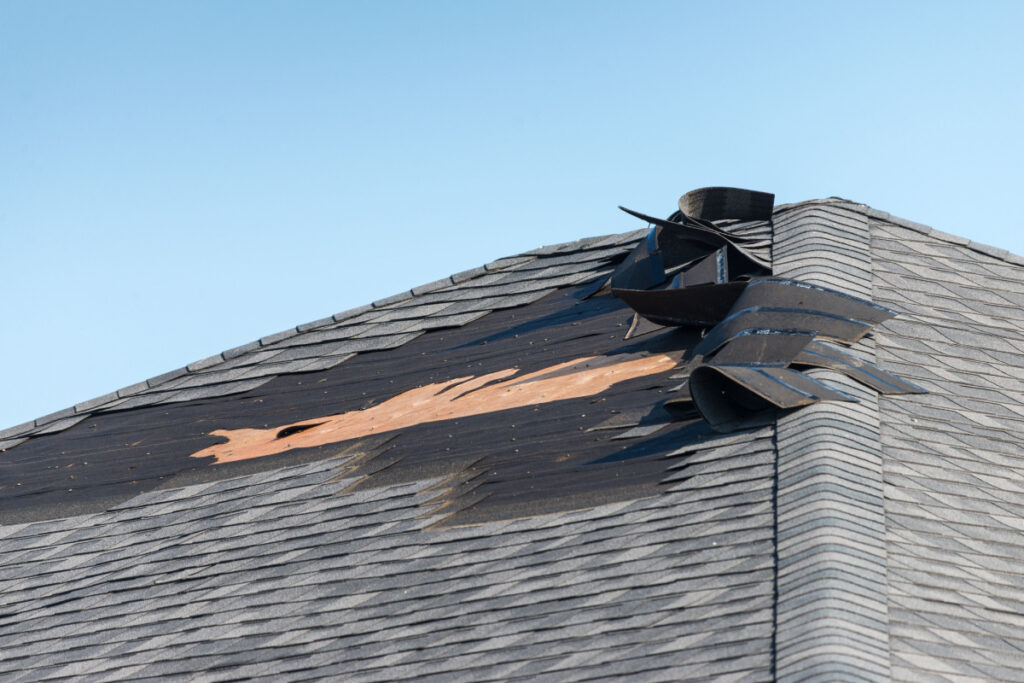
Roof shingles are one of the most visible and important components of a roofing system. They form the outer protective layer that shields the home from rain, wind, sunlight, and other environmental factors. When shingles become damaged, the roof may become vulnerable to moisture and structural problems.
In the DFW Metroplex, roofing systems regularly face intense heat, heavy rain, hailstorms, and strong winds. These conditions can gradually wear down shingles and cause them to crack, curl, or loosen. Understanding how shingle damage affects your roof helps homeowners recognize why repairs should be addressed quickly.
Roof shingles serve as the first barrier between your home and the outside environment. Their main purpose is to prevent water from entering the roof structure while also protecting the underlying materials from weather exposure.
Shingles help:
When shingles are in good condition, they work together to create a strong protective surface.
Roof shingles can become damaged for several reasons, especially in regions that experience frequent storms and changing weather conditions.
Common causes of shingle damage include:
Over time, these factors can cause shingles to lose their strength and protective qualities.
One of the most common signs of aging or weather damage is curling or cracking shingles. This often happens after prolonged exposure to sunlight and temperature changes.
When shingles curl or crack, they may no longer sit flat against the roof surface. This creates small openings where water may enter during rainfall.
These openings can eventually lead to moisture infiltration beneath the roofing materials.
Strong winds during storms can sometimes remove shingles entirely from the roof. When this happens, the protective layers beneath the shingles may become exposed.
Exposed areas of the roof may allow water to reach:
If repairs are not made quickly, moisture can begin affecting the structure of the roof.
Asphalt shingles are coated with protective granules that help shield the roof from sun exposure and weather conditions. When shingles lose granules, they become more vulnerable to damage.
Granule loss may lead to:
Large amounts of granules in gutters may indicate that shingles are wearing down.
When shingles become damaged, water can gradually begin penetrating the roofing system. At first, leaks may be small and difficult to detect.
However, over time moisture may spread to several parts of the home, including:
Prompt repairs help prevent this moisture from spreading through the structure.
If shingles are already weakened or loose, severe storms can make the damage significantly worse. Strong winds may lift additional shingles or expand cracks that already exist.
Storm damage often accelerates the deterioration of roofing materials, which is why inspections after severe weather are important.
Identifying these issues early helps maintain the strength of the roofing system.
Because shingle damage may not always be visible from the ground, professional roof inspections play a valuable role in maintaining the health of the roof.
During inspections, roofing professionals can evaluate:
Routine inspections help detect problems before they lead to larger repairs.

Roof shingles provide essential protection for your home. When they become damaged, the entire roofing system may become vulnerable to leaks and structural concerns.
Addressing shingle damage early helps preserve the durability of the roof and maintain reliable protection against the elements.
If you want to ensure your roof remains strong and capable of handling the demanding weather conditions of North Texas, Timeless Roofing provides detailed inspections and quality craftsmanship designed to help homeowners maintain durable and dependable roofing systems throughout the DFW Metroplex.

.svg)

.svg)
.svg)
.svg)