

.svg)


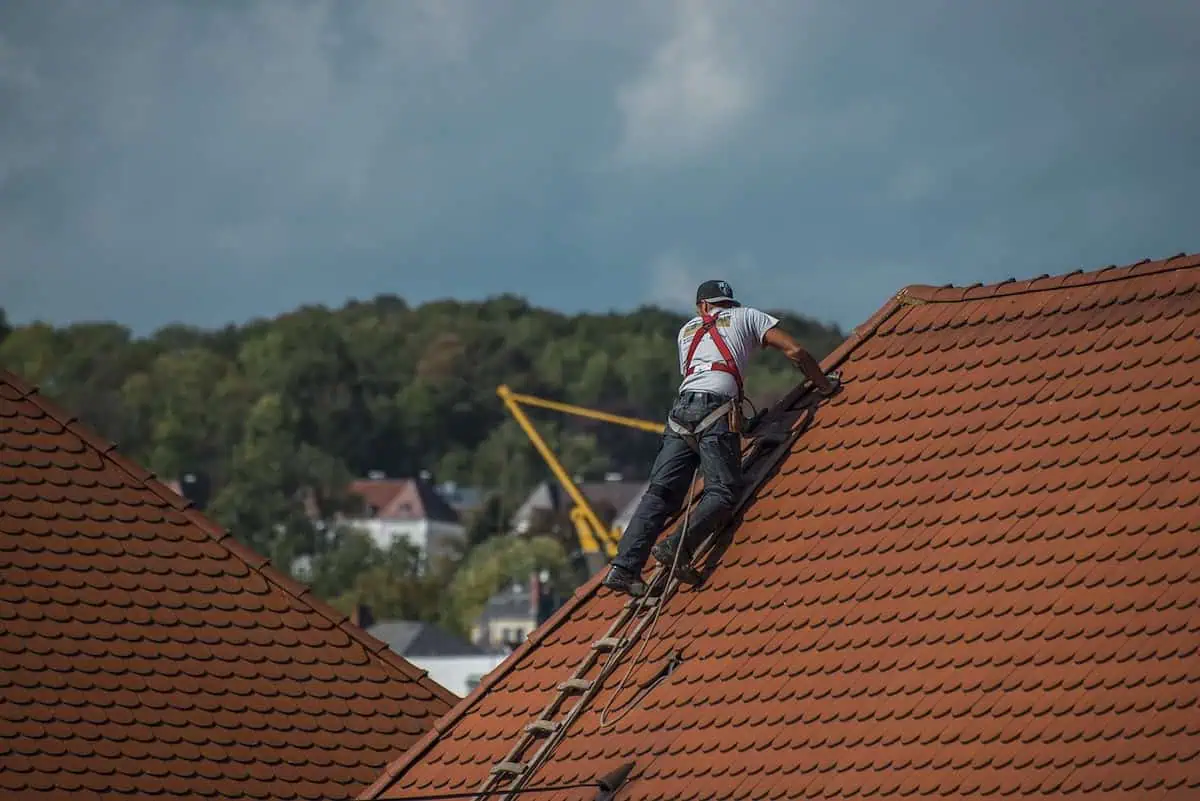
For many homeowners, the roof is out of sight and out of mind — until a problem appears. However, regular roof inspections are one of the most important steps in protecting your home. In the DFW Metroplex, where hailstorms, strong winds, and extreme heat are common, inspections help identify potential problems before they turn into major repairs.
Understanding what happens during a professional roof inspection gives homeowners peace of mind and helps ensure their roofing system remains strong and reliable.
Your roof works as your home’s primary barrier against weather. Over time, even small issues can develop into serious structural problems.
Routine roof inspections help identify:
Catching these problems early often saves homeowners significant repair costs later.
The inspection typically begins with a visual evaluation of the roof surface.
During this step, professionals look for:
These indicators can reveal how well the roof is performing and whether repairs may be needed.
Flashing protects vulnerable areas where water could enter the roof system.
Inspectors evaluate flashing around:
Loose, rusted, or poorly sealed flashing is one of the most common causes of roof leaks.
Proper drainage plays a major role in roof performance.
During the inspection, gutters and drainage areas are checked for:
Efficient drainage helps prevent water from backing up under roofing materials.
In the DFW Metroplex, storms can cause subtle damage that isn’t obvious from the ground.
Inspectors look for signs such as:
Even minor storm damage can weaken roofing materials over time.
A thorough roof inspection often includes examining the attic space.
Inside the attic, professionals look for:
These signs often reveal problems that may not yet be visible from the outside.
Proper attic ventilation is essential for roof longevity.
During the inspection, airflow systems are evaluated to ensure:
Poor ventilation can accelerate roof aging and increase energy costs.
Inspectors also evaluate structural components that support the roof.
They check for:
Structural concerns require immediate attention to prevent further damage.
Once the inspection is complete, the inspector typically provides:
Clear documentation helps homeowners understand their roof’s condition and next steps.
Roof inspections are especially important:
Routine inspections help prevent unexpected roofing emergencies.

Your roof protects everything beneath it, making regular inspections an essential part of responsible homeownership. In the DFW Metroplex, where weather conditions can quickly impact roofing systems, proactive evaluations help extend lifespan and reduce long-term costs.
If you’d like a professional evaluation of your roof’s condition, Timeless Roofing provides thorough inspections and quality craftsmanship designed to keep your home protected through every season.

.svg)

.svg)
.svg)
.svg)