

.svg)


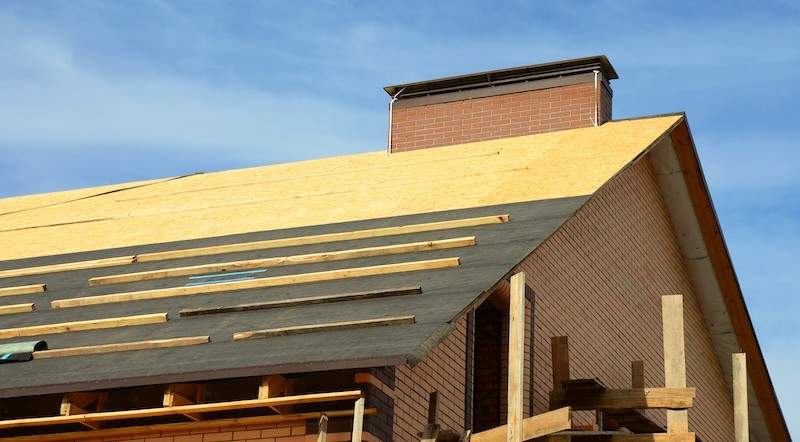
Most homeowners are familiar with shingles and gutters, but many are not aware of the structural layer beneath those materials that helps support the entire roofing system. Roof decking, sometimes referred to as roof sheathing, forms the base layer that all other roofing materials are installed on.
This component plays a crucial role in maintaining the stability and durability of a roof. In areas like the DFW Metroplex, where homes must withstand intense heat, severe storms, and fluctuating weather conditions, strong roof decking is essential for protecting the home.
Understanding how roof decking supports your roof can help homeowners recognize the importance of regular inspections and proper roof maintenance.
Roof decking is the structural surface attached to the rafters or trusses of a home. It creates a solid foundation for the roofing system and allows shingles, underlayment, and flashing to be securely installed.
Common roof decking materials include:
These materials are designed to provide strength and stability while supporting the weight of roofing materials and environmental loads.
Without a strong decking layer, the entire roofing system would lack the structural support it needs.
Every layer of the roof depends on the stability of the decking beneath it. Roofing materials such as underlayment and shingles must be properly secured to a solid surface to function effectively.
Roof decking helps:
Because it supports the entire roofing structure, maintaining the condition of the decking is essential.
Roof decking also plays an important role in protecting the home’s structure. When the roofing system is functioning properly, shingles and underlayment shield the decking from moisture.
However, if water penetrates the roof due to damaged materials or flashing, the decking may begin to absorb moisture.
Prolonged exposure to moisture can cause:
Regular roof inspections help identify these issues before they worsen.
North Texas storms can place significant stress on roofing systems. High winds, hail, and falling debris may damage roofing materials and expose the decking beneath.
If shingles are displaced during a storm, the decking may become vulnerable to moisture until repairs are completed.
Because decking is such a critical structural component, storm damage should be evaluated quickly to prevent long-term issues.
Homeowners may not always see roof decking directly, but certain warning signs may indicate potential problems.
These signs can include:
If any of these symptoms appear, it may indicate that the decking has been affected by moisture or structural stress.
Roof decking must be installed carefully to ensure it provides reliable structural support. During roofing projects, professionals evaluate the condition of the decking before installing new materials.
If sections of decking show signs of deterioration, they may need to be repaired or replaced before new roofing materials are installed.
Proper installation helps ensure the roofing system remains stable and secure.
Maintaining the condition of roof decking depends largely on protecting it from moisture. Preventative roof maintenance plays a major role in preserving this structural layer.
Helpful preventative steps include:
These measures help prevent water intrusion that could affect the decking.
Roof decking forms the backbone of the entire roofing system. When it remains strong and dry, it allows all other roofing components to perform effectively.
Routine inspections and timely repairs help ensure the decking continues supporting the roof and protecting the home beneath it.

A strong roofing system depends on a solid structural foundation. Roof decking plays a vital role in supporting the roof and protecting the home from moisture and environmental damage.
If you want to ensure your roof remains structurally sound and capable of handling the challenging weather conditions of North Texas, Timeless Roofing provides detailed inspections and quality craftsmanship designed to help homeowners maintain reliable roofing systems throughout the DFW Metroplex.

.svg)

.svg)
.svg)
.svg)