

.svg)


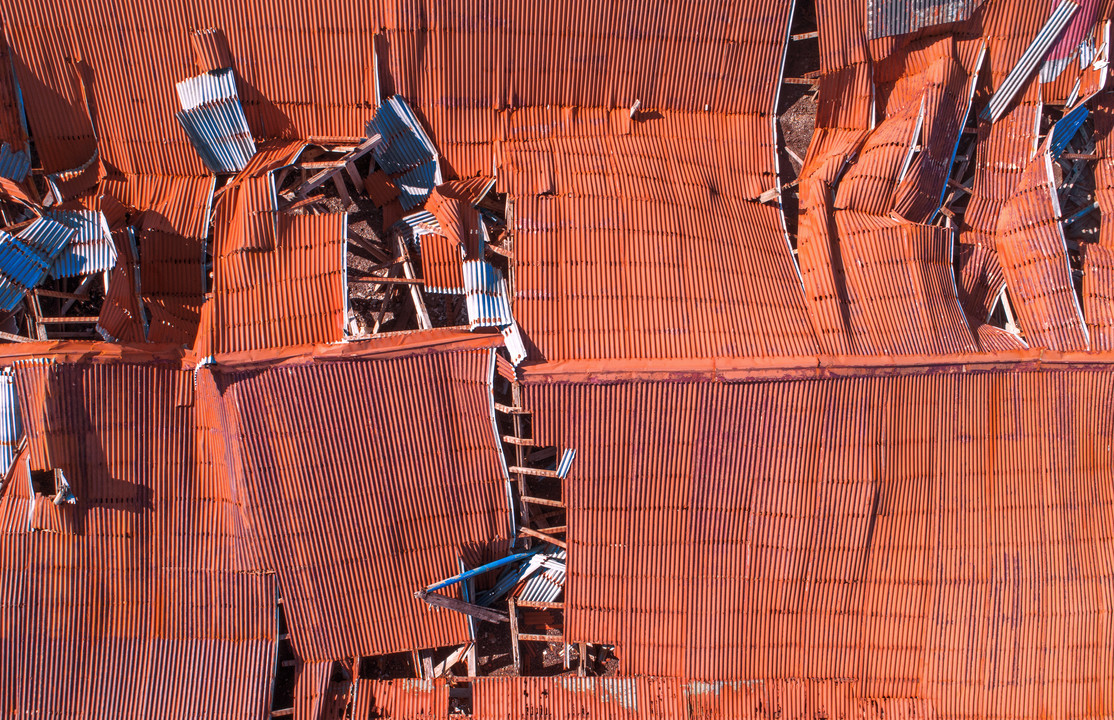
Windstorms are common across North Texas, especially during seasonal weather changes. While some storms bring obvious damage, others can affect roofing systems in ways that are not immediately visible. Over time, repeated wind exposure can weaken roofing materials and create vulnerabilities that lead to leaks or structural issues.
Understanding how wind damage affects your roof can help homeowners identify warning signs early and take steps to protect their homes.
Roofs are designed to withstand a certain level of wind pressure, but strong gusts can still affect the stability of roofing materials. Wind creates upward pressure that can lift shingles and weaken the adhesive seals that keep them in place.
When shingles lift, even slightly, they may not fully reseal after the storm passes. This leaves them vulnerable to additional damage during future storms.
Repeated exposure to strong winds can gradually reduce the effectiveness of the roofing system.
One of the most common effects of wind damage is loose or missing shingles. High winds can break the seal that holds shingles in place, causing them to curl or lift from the roof surface.
When shingles are displaced, the underlying layers of the roof become exposed to rain and moisture. Even a few missing shingles can create an entry point for water intrusion.
This type of damage may worsen over time if not addressed quickly.
Flashing protects areas where the roof meets other structures such as chimneys, vents, and skylights. Windstorms can loosen flashing or cause sealant to crack.
When flashing becomes compromised, it may allow water to enter vulnerable areas of the roof. Because flashing damage is not always easy to see from the ground, inspections after strong storms can help identify these issues early.
Storm winds often carry debris such as tree branches, leaves, and other airborne objects. When debris lands on the roof, it may cause scratches, cracks, or dents in roofing materials.
Large branches can also damage shingles or create pressure points that weaken the roof structure.
Removing debris after storms helps prevent additional damage to roofing materials.
Even if windstorms do not cause immediate visible damage, repeated exposure can slowly weaken roofing materials.
Over time, this stress may cause shingles to:
Because North Texas experiences frequent windstorms, roofs in the region may age faster without proper maintenance.
Some signs of wind damage may be visible from the ground, while others require a closer inspection.
Homeowners may notice:
If any of these signs appear after a storm, it may indicate that the roof has been affected by wind.
Wind damage can start small but grow into larger problems over time. If loose shingles are not repaired, future storms can worsen the damage and expose additional areas of the roof.
Addressing wind damage early helps:
Routine inspections can help ensure that wind-related damage is addressed before it spreads.
While storms cannot be prevented, homeowners can take steps to help their roofs withstand wind exposure.
Some preventative measures include:
These steps help maintain the strength and reliability of the roofing system.

Windstorms are a common part of life in the DFW Metroplex, and roofing systems must be able to withstand these challenging conditions. Understanding the effects of wind damage allows homeowners to stay proactive and protect their homes from long-term roofing problems.
If you want to ensure your roof remains secure and capable of handling future storms, Timeless Roofing provides detailed inspections and quality craftsmanship designed to help homeowners maintain durable and dependable roofing systems throughout the DFW Metroplex.

.svg)

.svg)
.svg)
.svg)