

.svg)


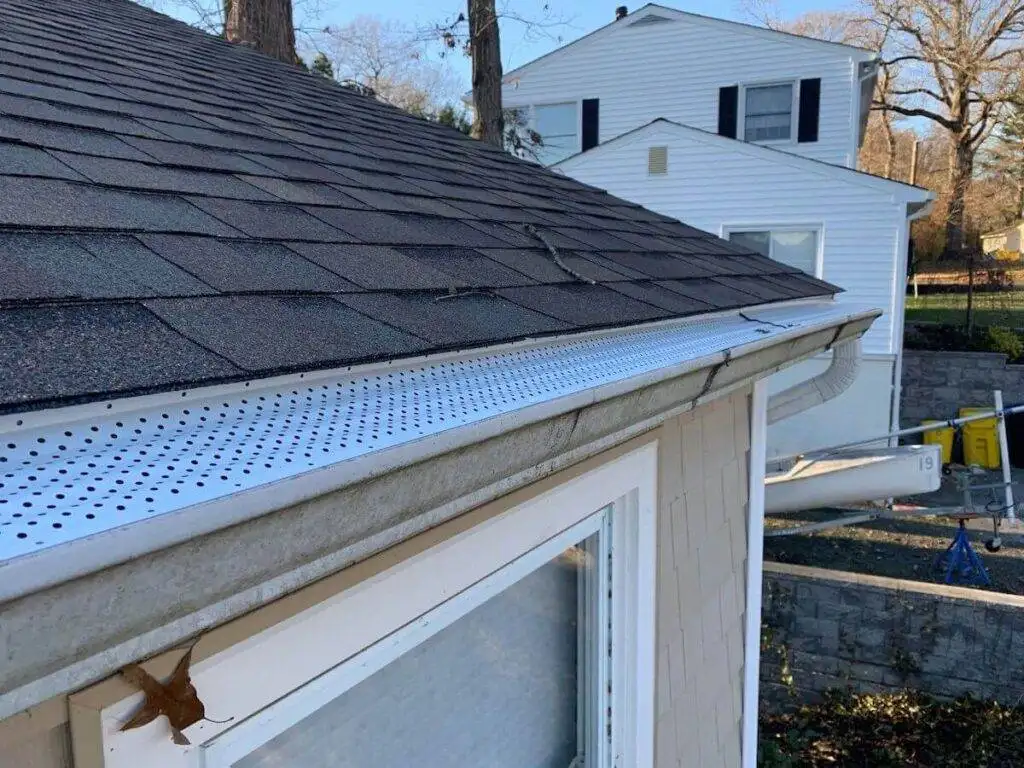
Roof design isn’t just about appearance — it directly affects how well your home handles water, wind, and long-term wear. In the DFW Metroplex, where heavy rainstorms and sudden severe weather are common, roof slope plays a critical role in protecting your property.
Understanding roof slope and drainage helps homeowners recognize why proper design and installation matter for long-term durability.
Roof slope (also called pitch) refers to the angle or steepness of your roof. It’s typically expressed as a ratio, such as 4:12 or 8:12, indicating how many inches the roof rises vertically for every 12 inches of horizontal run.
For example:
Slope influences both water flow and material selection.
North Texas experiences:
A properly designed slope ensures water drains efficiently instead of pooling on the surface.
Poor drainage increases the risk of leaks and structural damage.
Steeper roofs allow water to shed quickly. This reduces:
Low-slope or flat roofs require specialized drainage systems to prevent water accumulation.
On low-slope roofs, water may pool if drainage is insufficient.
Ponding water can:
Proper design and installation are critical for flat or low-slope systems.
Roof valleys are areas where two slopes meet.
These areas:
Improper valley installation is a common source of leaks.
Roof pitch also impacts wind performance.
Steeper roofs may:
However, improper fastening or weakened decking can still create vulnerability.
Wind resistance depends on both slope and installation quality.
Not all roofing materials are suitable for every slope.
For example:
Selecting the correct material for your roof’s pitch ensures durability.
Beyond slope itself, drainage components play an essential role.
These include:
Proper drainage directs water safely away from your home’s structure.
Homeowners should watch for:
These signs may indicate slope or drainage concerns.
Even a well-designed slope can fail if installation is rushed.
Proper roofing installation ensures:
In the DFW climate, attention to detail protects against storm-related water intrusion.

Roof slope and drainage are fundamental to your home’s long-term protection. In a region like North Texas, where heavy storms are frequent, proper water management prevents leaks, structural damage, and premature material wear.
If you have concerns about drainage performance or are planning a roof replacement, Timeless Roofing provides detailed inspections, expert guidance, and quality craftsmanship designed to ensure your roof performs effectively in the DFW climate.

.svg)

.svg)
.svg)
.svg)