

.svg)


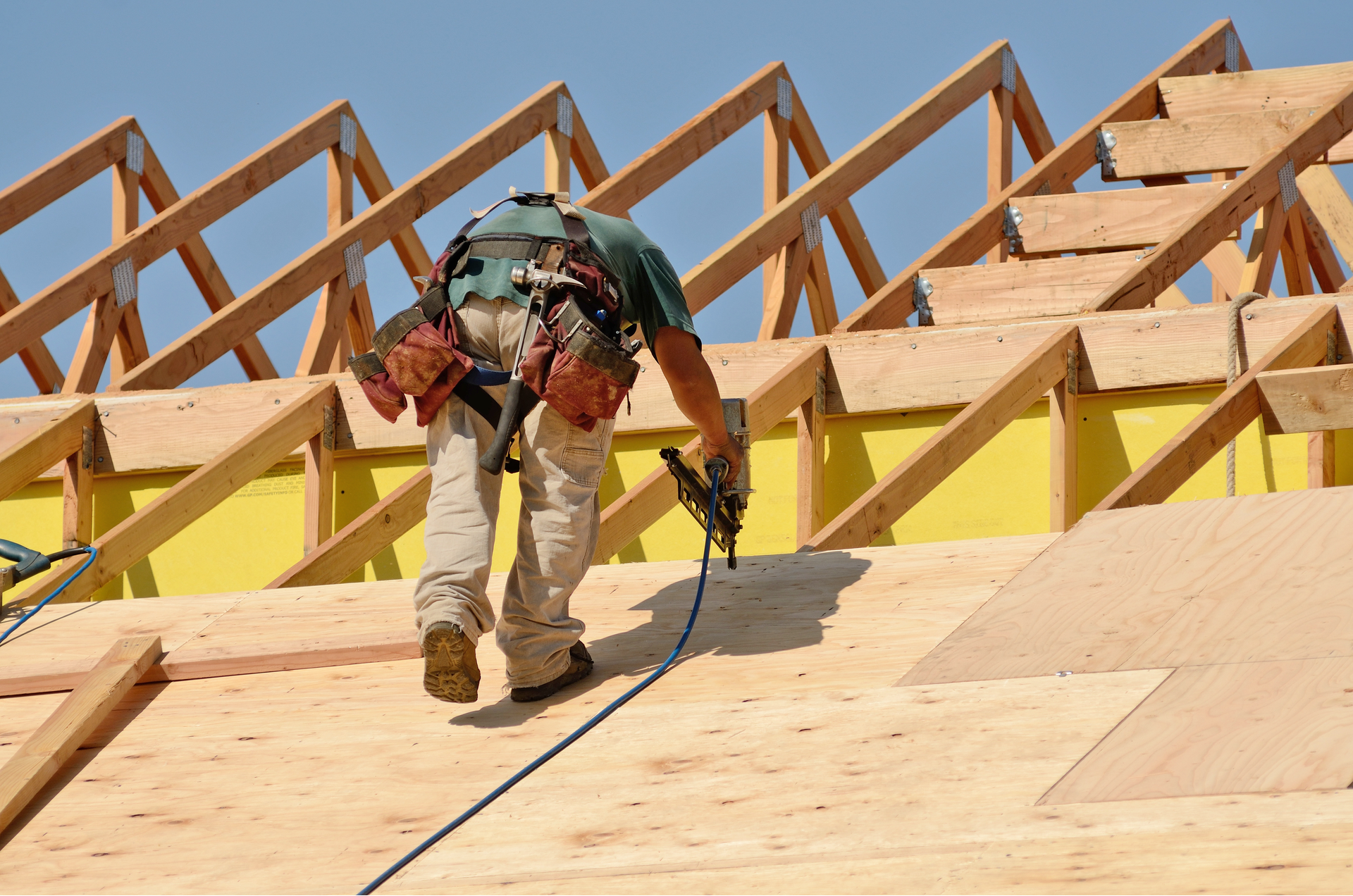
When most homeowners think about roofing, they picture shingles. But beneath the shingles and underlayment lies one of the most important structural components of your roof: the decking. In the DFW Metroplex — where hailstorms, strong winds, and heavy rain are common — roof decking plays a critical role in long-term durability.
Understanding the role of roof decking in durability helps homeowners see why proper inspection and replacement matter during roofing projects.
Roof decking (also called sheathing) is the layer of wood panels installed directly over the roof’s structural framing. It provides a solid surface for:
Without strong decking, shingles cannot properly protect your home.
North Texas weather places heavy stress on roofing systems.
Decking must withstand:
If decking becomes weakened, the entire roofing system becomes vulnerable.
Roof decking can deteriorate over time due to:
Water infiltration is the most common cause of decking failure.
Homeowners may notice:
These signs often indicate that decking has absorbed moisture and weakened.
During roof replacement, tear-off exposes the decking beneath old shingles.
This is a critical moment.
Professionals inspect for:
Replacing damaged decking ensures the new roof has a stable foundation.
Properly secured decking improves resistance to wind uplift.
Loose or weakened decking can:
In DFW’s wind-prone environment, structural integrity is essential.
Poor attic ventilation can cause moisture buildup beneath the decking.
Over time, this may lead to:
Balanced airflow protects decking from hidden damage.
Modern roofing standards often require specific decking thicknesses to meet building codes.
Proper thickness ensures:
Upgrading decking during replacement may enhance long-term performance.
Skipping necessary decking repairs during replacement can result in:
Investing in proper decking repair protects the longevity of the entire system.

Shingles may be the visible layer, but decking is the structural backbone of your roofing system. In the demanding DFW climate, ensuring your decking is solid, dry, and properly installed is critical for long-term durability.
If you’re planning roof replacement or suspect underlying structural issues, Timeless Roofing provides thorough inspections, detailed tear-off evaluations, and quality craftsmanship designed to build your roofing system on a strong, reliable foundation.

.svg)

.svg)
.svg)
.svg)