

.svg)


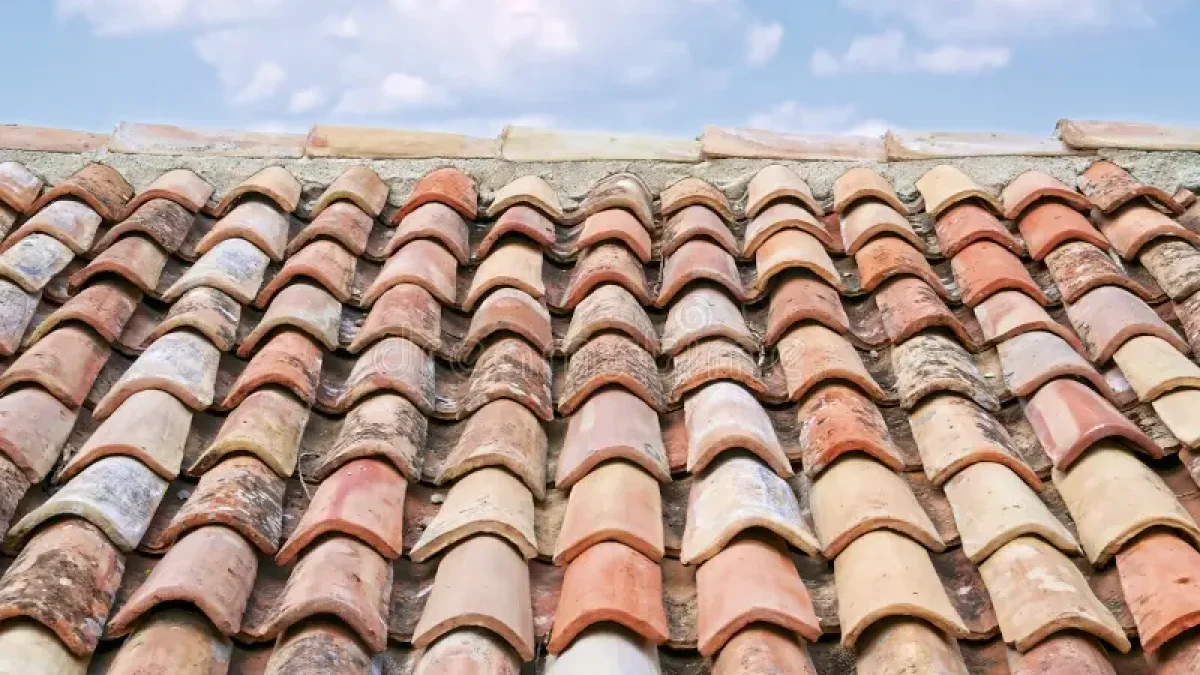
Your roof is the single most hardworking component of your home. It sits between your family and everything the Texas sky throws at it — triple-digit summer heat, hailstones the size of golf balls, heavy spring rains, and the occasional winter ice storm. It does this every day, silently, and most homeowners don't give it a second thought until something goes wrong.
That's the problem.
In DFW specifically, reactive roof care is expensive roof care. By the time a leak shows up on your ceiling or shingles start appearing in your yard, the damage has almost always been building for months. What could have been a minor repair — a few hundred dollars — has quietly become a major one.
The good news is that a basic, consistent roof maintenance routine is not complicated or time-consuming. And in the North Texas climate, the difference between a maintained roof and a neglected one can be five to ten additional years of lifespan — and thousands of dollars kept in your pocket.
This guide gives you a practical, season-by-season roof maintenance framework built specifically for DFW homeowners. Follow it, and your roof will thank you every time a storm rolls through.
Most parts of the country deal with one or two major climate stressors on roofing systems. DFW deals with all of them.
Intense UV radiation and summer heat. Dallas-Fort Worth regularly sees stretches of 100-degree-plus days during summer. That sustained heat bakes asphalt shingles, causes them to lose flexibility, and accelerates the loss of protective granules. An attic without proper ventilation can reach temperatures well above 150 degrees, shortening shingle life from the inside out.
Hailstorms — frequent and severe. North Texas sits squarely in what meteorologists call Hail Alley. The DFW Metroplex averages six to eight significant hail events annually, and even hailstones that seem small — an inch in diameter — can cause meaningful granule loss and impact damage that weakens shingles without creating an obvious leak.
Wind damage. Severe thunderstorms in DFW regularly produce straight-line winds strong enough to lift shingle edges, tear loose flashing, and stress the fasteners holding the roof system together.
Temperature cycling. The swing between DFW's scorching summers and freezing winter nights creates constant thermal expansion and contraction in roofing materials. Over time, this loosens sealants, pulls fasteners, and causes flashing to separate from the surfaces it's meant to protect.
Spring rains. Heavy, sustained rainfall in spring puts maximum pressure on your roof's ability to shed water. Any weakness in the shingle surface, flashing, or drainage system gets exposed during these events.
In DFW, a well-maintained roof can last 20 to 25 years. A neglected one often needs replacement in 12 to 15 years. That gap represents a significant financial difference — and it's almost entirely preventable.
Spring is the most important maintenance season for DFW homeowners. It's when you evaluate how your roof survived the winter and prepare for the hail and storm season that peaks between March and June.
Schedule a professional roof inspection. Spring is the ideal time for your annual professional inspection. A qualified roofing contractor will check every component of the system — shingles, flashing, underlayment condition, gutters, attic ventilation — and give you a documented baseline for your roof's condition going into storm season. This inspection record is also valuable for insurance purposes if a storm hits later in the spring.
Clean your gutters and downspouts thoroughly. Winter leaves, pine needles, and debris accumulate in gutters over the colder months. Clogged gutters can't drain properly during heavy spring rains — water backs up under the roof edge, wicking into the fascia and roof deck and causing accelerated rot and moisture damage. Clean gutters are one of the simplest and most impactful roof maintenance steps you can take.
Inspect flashing around all penetration points. Walk around your home and look at the flashing visible around your chimney, any skylights, and the areas where your roof meets a wall. Look for visible gaps, rust staining, or lifted sections. Flashing failure is the most common source of roof leaks in DFW homes, and catching a failed seal in spring costs a fraction of what interior water damage costs to remediate.
Check the attic after the first significant spring rain. After a rainy day, go into your attic with a flashlight and look for any fresh moisture, water staining on the decking, or beams of daylight coming through. These are indicators that water is already getting in somewhere, and the sooner that's addressed, the better.
Trim overhanging tree branches. Branches hanging over your roofline are a liability during DFW spring storms. Strong winds can bring them down directly onto your roof surface, and branches that scrape against shingles during wind events cause granule loss and accelerated wear. Trim back anything that could make contact with the roof during a storm.
DFW summers are long and brutal on roofing systems. The maintenance focus shifts from storm recovery to heat protection and staying vigilant through summer thunderstorm season.
Check attic ventilation. Proper attic ventilation is one of the most underappreciated aspects of roof longevity. When attic air can't circulate properly, heat builds up to extreme levels, which bakes the underside of your roof deck and dramatically accelerates shingle aging from below. Make sure your ridge vents, soffit vents, and any attic fans are clear and functioning. If your attic feels like an oven when you open the hatch on a summer afternoon, it's time to have ventilation assessed.
Inspect for heat-related shingle damage. UV exposure and heat cause shingles to blister, curl, and lose granules over time. After several consecutive weeks of extreme heat, do a ground-level visual check from the perimeter of your home. Look for shingles that appear to be lifting at the edges, any visible blistering, or areas where the color looks noticeably lighter — which can indicate significant granule loss.
Stay on top of post-storm checks. Summer thunderstorms in DFW can produce hail, strong winds, or both with very little warning. After any significant storm, do a quick ground-level walk-around. Look for dents in your gutters and downspouts (a reliable indicator of hail impact), any shingles on the ground or in your yard, and dents on metal vent caps or your AC unit. If you see any of these signs, call Timeless Roofing for a professional inspection before filing a claim — you need proper documentation in hand.
Keep gutters clear. Summer storms drop leaves, small branches, and debris. Mid-summer gutter cleaning, especially if you have trees near your home, prevents buildup from compounding through the rest of the storm season.
Fall roof maintenance in DFW is about wrapping up any summer repairs, preparing for the milder but still impactful winter months, and making sure your documentation is current before year-end.
Schedule your second professional inspection. If you do two professional roof inspections per year — spring and fall — your roof is about as well-monitored as any roof in North Texas can be. The fall inspection catches anything that developed over the summer storm season and gives you a clear view of what condition the roof is entering winter in. It's also the time to address any minor repairs before colder temperatures make roofing work less comfortable.
Clear gutters again before winter. Fall leaf drop is the biggest contributor to gutter clogging in DFW. Clean gutters in mid-to-late fall, after the majority of leaves have dropped, to ensure proper drainage through the winter rain season.
Inspect and reseal penetration points. Fall is a good time to have the sealants and caulking around all penetration points — vent boots, pipe collars, flashing edges — inspected and resealed where needed. The coming temperature drops and winter moisture will put these areas under stress, and fresh sealant applied before winter provides significantly better protection than deteriorated sealant that has been cracking through a Texas summer.
Document your roof's condition. Take photos of your roof from multiple angles in fall after any summer repairs have been completed. Store these with your inspection reports. This documentation serves as a baseline if a winter storm causes damage and you need to file a claim — it establishes the pre-damage condition of the roof clearly.
Check your insurance policy. Fall is a good time to review your homeowner's insurance coverage before winter arrives. Confirm whether you have Replacement Cost Value (RCV) or Actual Cash Value (ACV) coverage, and understand your deductible. Knowing where you stand before a claim event is always better than discovering it after.
DFW winters are generally mild, but the combination of occasional freezing temperatures, ice storms, and winter rain events means your roof still needs attention — just of a different kind.
Monitor interior ceilings for new staining. Check your ceilings after every significant winter rain. Winter is when slower, steady rains probe any weaknesses in the roof system for extended periods. A new water stain that appears during a winter rain event should be marked and monitored. If it grows after subsequent rains, you have an active leak that needs professional attention.
Check your attic for moisture. Winter temperature differentials between your heated living space and the cold attic can create condensation issues if ventilation is inadequate. Periodic attic checks during winter — looking for moisture on the decking or insulation — catch these issues early before they cause rot or mold.
Stay off the roof. This is simple but important. Wet, cold, or frosty roofing surfaces are dangerously slippery. If you suspect winter storm damage, call a professional rather than attempting to inspect the roof yourself. Ground-level observation and an attic check are sufficient for a homeowner assessment in winter conditions.
Keep gutters clear of debris and watch for ice. While true ice dams are less common in DFW than in northern climates, extended freezing temperatures combined with debris-clogged gutters can cause localized ice buildup that pushes water under the roof edge. Clear gutters before any anticipated freezing event.
Use winter for planning. If your roof is aging and you've been watching the warning signs, winter is a good time to get quotes and plan a spring replacement before the busy storm-season rush. Scheduling a roof replacement in the off-season often means faster scheduling and more contractor availability.
Even well-intentioned homeowners make these mistakes. Avoid them and your roof will last significantly longer:
Ignoring granules in the gutters. Many homeowners see the dark, sand-like material in their gutters and don't recognize it as shingle granules — or they recognize it and assume it's normal. Some gradual granule loss is expected over time, but significant accumulation means your shingles are aging rapidly and need professional evaluation.
Waiting for a visible leak before calling a roofer. A visible interior leak means water has already penetrated the entire roofing system and is causing damage you can't see. Annual professional inspections catch problems before they reach this stage.
Letting trees grow over the roofline. Overhanging branches are one of the most preventable sources of roof damage in DFW neighborhoods. Regular trimming is a simple, inexpensive way to eliminate a consistent hazard.
Ignoring minor flashing issues. A slightly lifted piece of flashing around a chimney or a cracked sealant joint around a vent boot seems minor. Left unaddressed through a DFW storm season, it often isn't.
Not documenting the roof's condition. Whether it's photos after a summer storm season or inspection reports from your annual professional visit, documentation is your protection when you need to file an insurance claim. Homeowners with documented maintenance histories have cleaner, faster claims than those who can't demonstrate what the roof looked like before the damage event.
Skipping the professional inspection because "everything looks fine." Roof damage in DFW is frequently invisible from the ground. Granule loss, bruised shingles, failed sealants, and early flashing failures all require a trained eye to identify. The ground-level visual check homeowners do themselves is valuable — but it doesn't replace a professional inspection.
At Timeless Roofing, we believe the best roofing relationship is a long-term one — not just a contractor you call when something breaks, but a team you check in with annually to make sure your home's most important protective system is doing its job.
Our inspections are thorough, photo-documented, and explained in plain language. We tell you exactly what we found, what it means, and what — if anything — needs to be done. We don't manufacture urgency or push for work that isn't necessary. Our goal is to help DFW homeowners stay proactive so that when the next hailstorm rolls through the Metroplex, they already know where their roof stands.
If you haven't had a professional roof inspection this year, spring and fall are the ideal times to schedule one in North Texas. Don't wait for the ceiling stain to tell you something you could have known months earlier.

Is your DFW roof ready for whatever North Texas throws at it next?
At Timeless Roofing, we help homeowners across the DFW Metroplex stay ahead of roof problems with thorough, honest, photo-documented inspections and straightforward maintenance guidance. No pressure, no scare tactics — just an accurate picture of where your roof stands.
Schedule your free roof inspection with Timeless Roofing today and go into the next storm season with confidence.

.svg)

.svg)
.svg)
.svg)