

.svg)


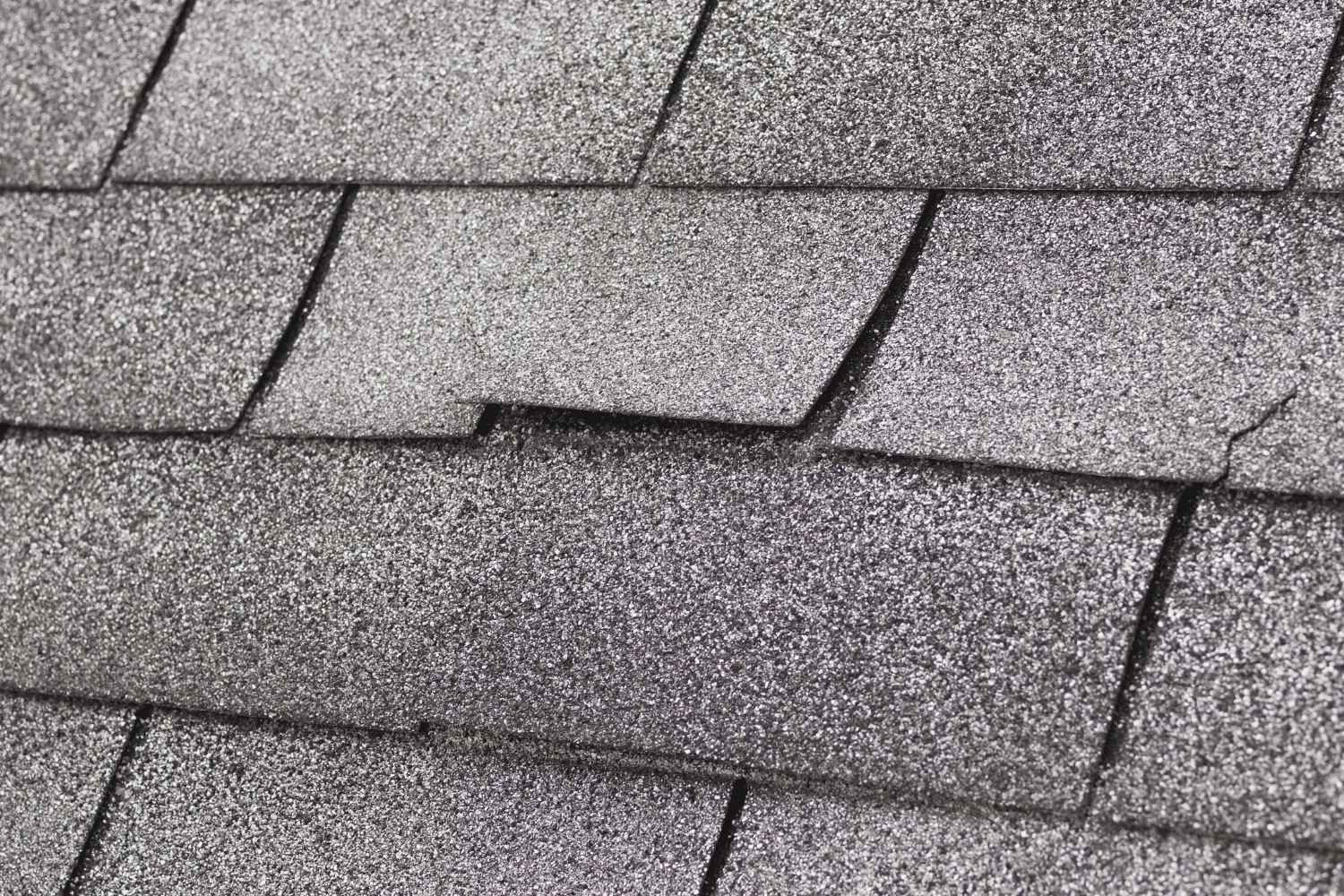
When homeowners think of storm damage, hail often gets the most attention. But in the DFW Metroplex, high winds can be just as destructive. Even if shingles don’t completely blow off your roof, wind uplift can weaken your roofing system in ways that aren’t immediately visible.
Understanding how wind uplift damages shingles helps homeowners recognize early warning signs before leaks and structural issues develop.
Wind uplift occurs when strong gusts create pressure beneath shingles, lifting them upward. As air flows over the roof surface, it can create a vacuum-like effect that pulls at the edges of shingles.
In severe storms, this pressure can:
Even moderate wind events in North Texas can initiate uplift damage.
The DFW Metroplex regularly experiences:
Over time, repeated wind exposure weakens shingle seal strips and increases vulnerability.
Older roofs are especially susceptible.
Shingles are designed with adhesive seal strips that bond them together after installation. However, wind can:
Once the seal is compromised, the shingle becomes more likely to lift during the next storm.
This cycle continues until visible damage appears.
Wind damage isn’t always obvious from the ground. Look for:
Even small lifted areas can allow water intrusion.
When shingles lift, they create gaps where wind-driven rain can enter.
Water may then:
Leaks caused by uplift damage may not appear immediately — sometimes surfacing months later.
Proper installation is critical in preventing wind uplift.
Correct installation includes:
Improper nailing patterns are one of the leading causes of wind-related failure.
Texas heat can soften adhesive strips during the day. When temperatures drop at night, improper sealing may occur. If wind hits before the adhesive fully bonds, shingles are more likely to lift.
This combination of heat and wind stress is common in DFW.
Repeated uplift stress can:
Addressing uplift damage early prevents widespread deterioration.
After any significant wind event, consider a professional roof inspection — even if shingles appear intact.
Schedule an inspection if:
Hidden uplift damage often requires close, hands-on evaluation.

Wind uplift may begin subtly, but over time, it can lead to serious roofing failure. In the storm-prone DFW Metroplex, proactive inspections and proper installation are essential for long-term durability.
If your home has experienced high winds or you suspect uplift damage, Timeless Roofing provides detailed inspections, transparent evaluations, and quality craftsmanship designed to protect your roof against North Texas weather conditions.

.svg)

.svg)
.svg)
.svg)