

.svg)


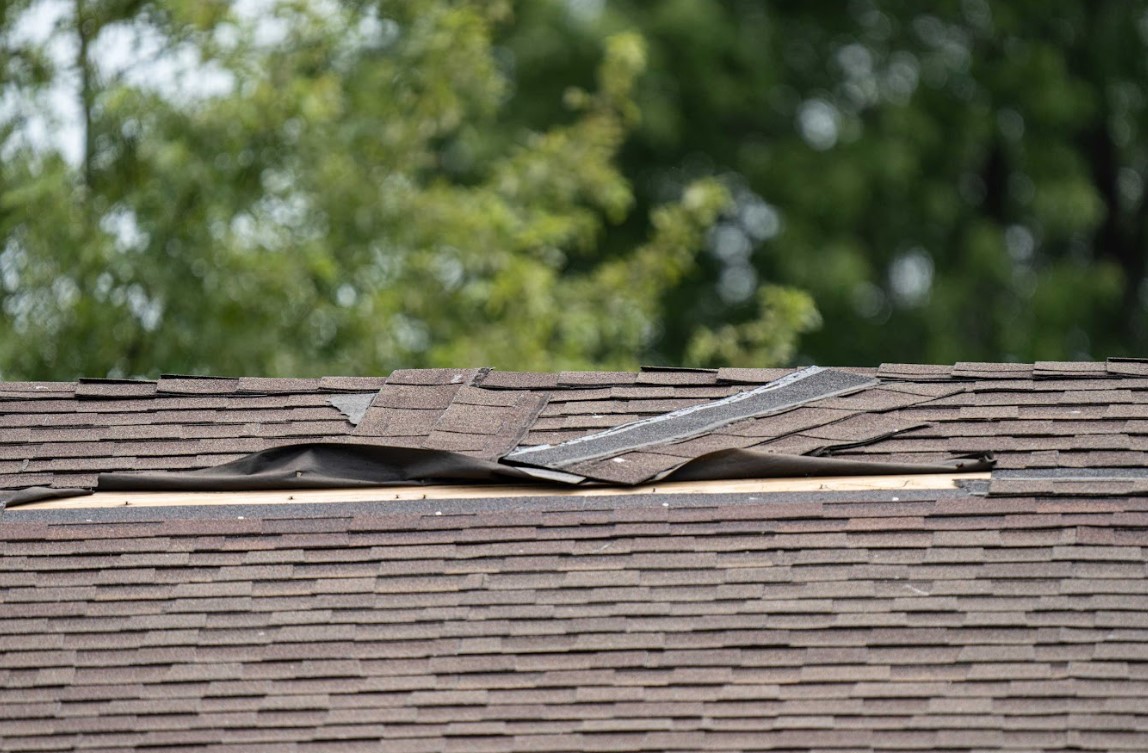
While hailstorms often get the most attention in Texas, strong winds can be just as damaging to roofing systems. In the DFW Metroplex, storms frequently bring powerful gusts capable of lifting shingles, weakening flashing, and exposing vulnerable areas of the roof.
Understanding how wind damage affects your roof helps homeowners recognize warning signs early and prevent small issues from turning into costly structural problems.
Roofing systems are designed to withstand normal weather conditions, but severe winds can create upward pressure on shingles.
This pressure may cause:
Even if shingles appear intact after a storm, their protective seal may already be compromised.
Wind uplift occurs when air pressure pushes underneath roofing materials.
Once a shingle lifts, it becomes more vulnerable to future storms. Repeated wind exposure can gradually weaken the roof’s protective layers and increase the risk of leaks.
Lifted shingles may also create openings where water can enter during heavy rain.
In stronger wind events, shingles may be completely torn off the roof.
Missing shingles expose the underlying components of the roof, including:
Without immediate repair, these exposed areas can quickly allow water intrusion.
Wind doesn’t only affect shingles. It can also damage flashing and roof edges.
Strong gusts may loosen flashing around:
When flashing separates from the roof surface, water can penetrate beneath roofing materials.
Windstorms often carry debris such as branches, leaves, and airborne objects.
When debris strikes the roof, it can cause:
Even minor debris impact may weaken roofing materials.
One of the challenges with wind damage is that it may not be immediately obvious from the ground.
Hidden wind damage can include:
These issues may not cause leaks right away but can lead to problems over time.
After a strong storm, homeowners should look for warning signs such as:
These clues often indicate that the roof experienced significant wind exposure.
Wind damage that goes unaddressed can worsen with each additional storm.
Prompt inspections allow professionals to:
Addressing wind damage early helps extend the lifespan of your roofing system.

North Texas weather can be unpredictable, and strong winds are a regular part of storm season. Understanding how wind impacts your roof allows you to take proactive steps to maintain your home’s protection.
If your home has recently experienced a windstorm or you suspect your roof may have been affected, Timeless Roofing provides thorough inspections and quality craftsmanship designed to help homeowners maintain durable and reliable roofing systems across the DFW Metroplex.

.svg)

.svg)
.svg)
.svg)