

.svg)


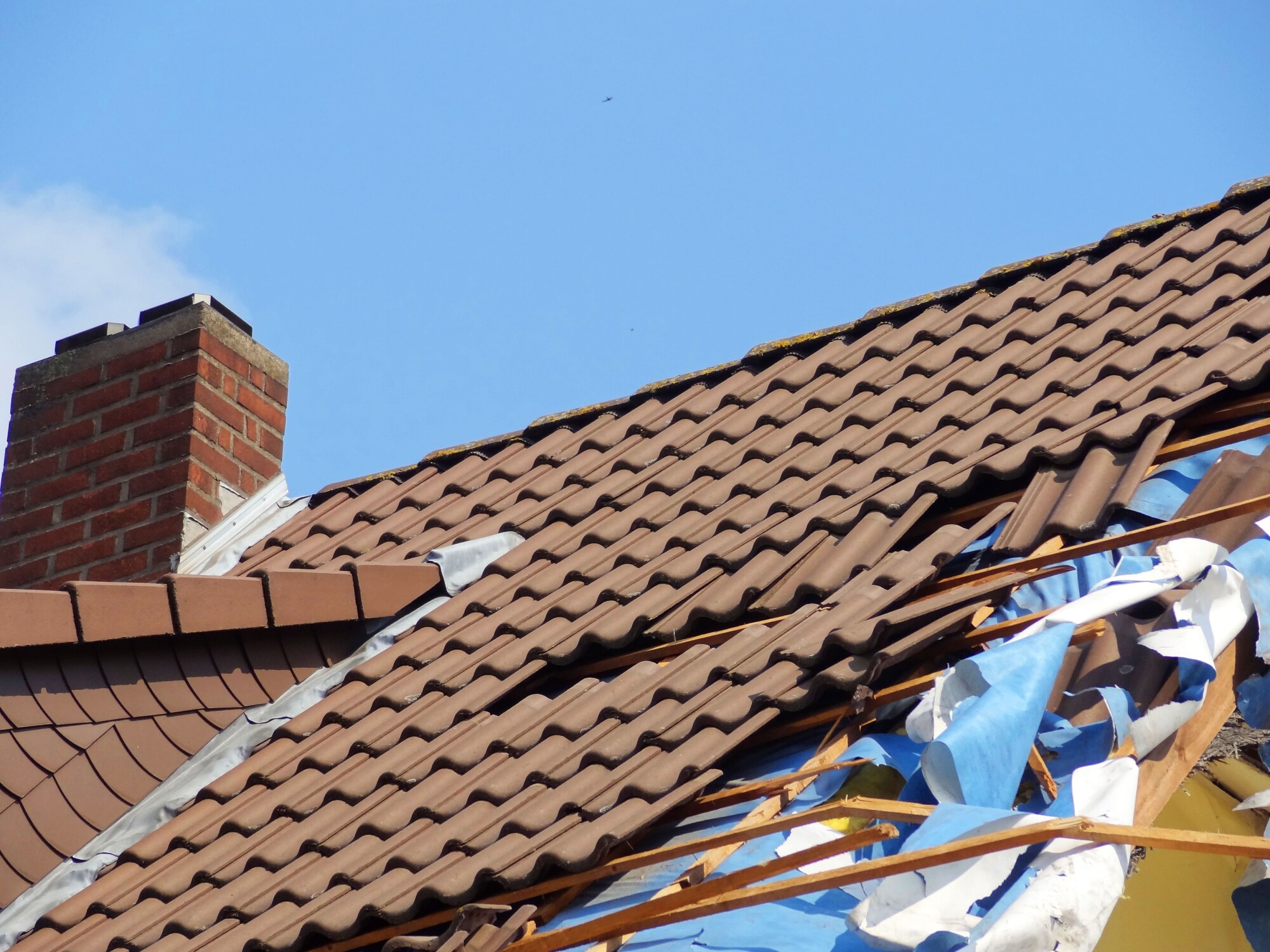
Storms are a regular part of life in the DFW Metroplex. Strong winds, hail, and heavy rain can place significant stress on roofing systems, sometimes causing damage that homeowners may not immediately notice. Even a short storm can affect shingles, flashing, and other key roofing components.
Knowing how to tell if your roof was damaged by a storm can help homeowners take action quickly and prevent small issues from developing into larger structural problems.
One of the most noticeable signs of storm damage is missing shingles.
High winds can lift shingles and break the adhesive seals that hold them in place. Once these seals are compromised, shingles may shift, curl, or completely detach from the roof.
If shingles are missing, the underlying roofing layers become exposed, which increases the risk of water intrusion during future storms.
Hailstorms are common in North Texas and can cause both visible and hidden damage to roofing materials.
Signs of hail damage may include:
Even small hailstones can weaken shingles over time, making them more vulnerable to future weather events.
Granules protect asphalt shingles from UV exposure and help maintain their durability. After a storm, homeowners may notice an unusual amount of granules collecting in gutters or downspouts.
Granule loss can indicate that shingles have experienced storm impact or accelerated wear. When granules disappear, shingles lose an important layer of protection.
Flashing is installed around areas where the roof meets other structures, such as chimneys, vents, and skylights. Storm winds and debris can loosen or bend flashing, creating small gaps where water can enter.
Flashing damage is often overlooked but can quickly lead to leaks if not addressed.
After a storm passes, debris such as branches, leaves, and airborne objects may remain on the roof surface.
Debris can cause:
Removing debris safely helps prevent further damage to the roof.
Sometimes storm damage becomes noticeable from inside the home.
Homeowners should watch for signs such as:
These symptoms often indicate that moisture has already entered the roofing system.
Some storm damage cannot be easily identified from the ground. Shingles may look normal but have weakened seals or internal fractures caused by wind or hail impact.
Because of this, professional inspections are often recommended after severe weather events.
An experienced roofing professional can evaluate the roof’s condition and identify hidden issues before they worsen.
Storm damage that goes unnoticed can gradually lead to more serious problems.
If left untreated, minor roofing damage may result in:
Identifying and repairing storm damage early helps protect the home and extend the life of the roofing system.

Storms are unpredictable, and roofing systems in North Texas must constantly withstand challenging conditions. Regular inspections after severe weather help ensure that small issues are addressed before they become costly repairs.
If your home has recently experienced severe weather or you suspect your roof may have been affected, Timeless Roofing provides thorough inspections and quality craftsmanship designed to help homeowners maintain strong and reliable roofing systems throughout the DFW Metroplex.

.svg)

.svg)
.svg)
.svg)