

.svg)


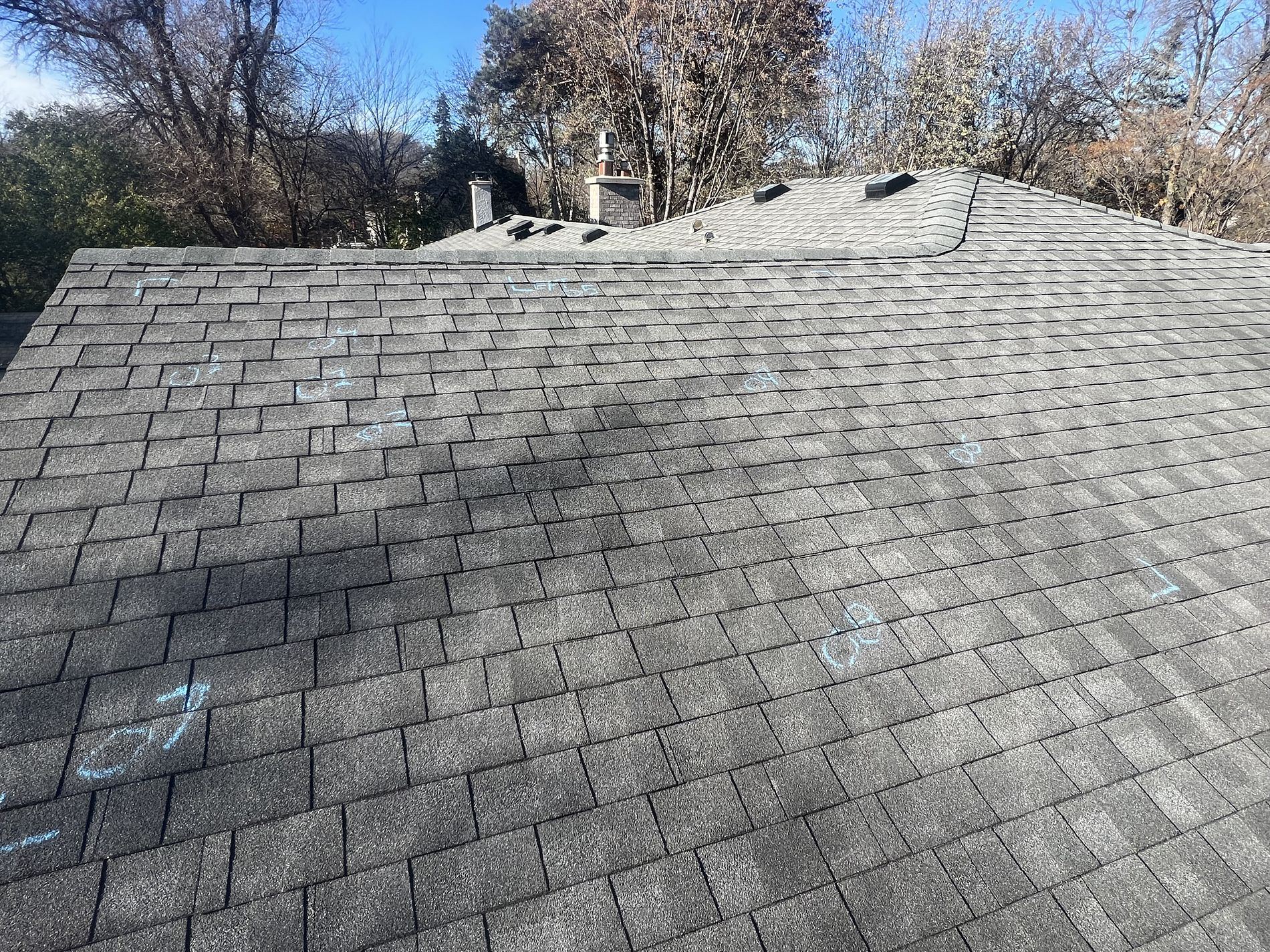
Not all roof damage is obvious. In fact, some of the most serious roofing problems begin beneath the surface. In the DFW Metroplex — where hail, high winds, and intense heat are common — hidden roof damage can develop long before a visible leak appears.
Knowing how to spot hidden roof damage helps homeowners act early and prevent costly structural repairs.
From the ground, your roof may appear intact. However, storms and thermal stress can weaken materials without causing immediate, visible symptoms.
Hidden damage often includes:
These issues can worsen over time if left unaddressed.
Shingle granules protect against UV damage.
If you notice:
This may indicate impact damage or accelerated wear.
Granule loss weakens the protective layer of your roof.
Your attic often reveals hidden problems before ceilings do.
Look for:
Moisture in the attic is often a sign of roof system compromise.
After a storm, shingles may not be missing — but they may be damaged.
Watch for:
These subtle signs often require close inspection to confirm damage.
Flashing protects vulnerable areas such as:
Small gaps or loose flashing can allow water entry even when shingles appear intact.
Flashing issues are often hidden from ground view.
Hidden roof damage sometimes reveals itself inside first.
Be alert to:
Interior symptoms often mean the issue has been developing for some time.
Roof damage can impact ventilation and insulation performance.
If attic airflow is compromised, you may experience:
While not always obvious, energy changes can signal hidden roofing issues.
In DFW, severe weather events are frequent.
If your home has experienced:
Even without visible damage, a professional inspection is wise.
Storm-related vulnerabilities often remain hidden until the next heavy rainfall.
Ignoring hidden damage can lead to:
Early detection significantly reduces repair costs.
Because hidden damage is not always visible from the ground, professional inspections are essential.
A thorough inspection includes:
This comprehensive approach ensures nothing is overlooked.

Hidden roof damage is common in storm-prone regions like the DFW Metroplex. Waiting for visible leaks often means damage has already progressed.
If you suspect your roof may have been affected by recent storms or long-term heat exposure, Timeless Roofing provides detailed inspections, transparent assessments, and quality workmanship designed to protect your home before small problems become major repairs.

.svg)

.svg)
.svg)
.svg)