

.svg)


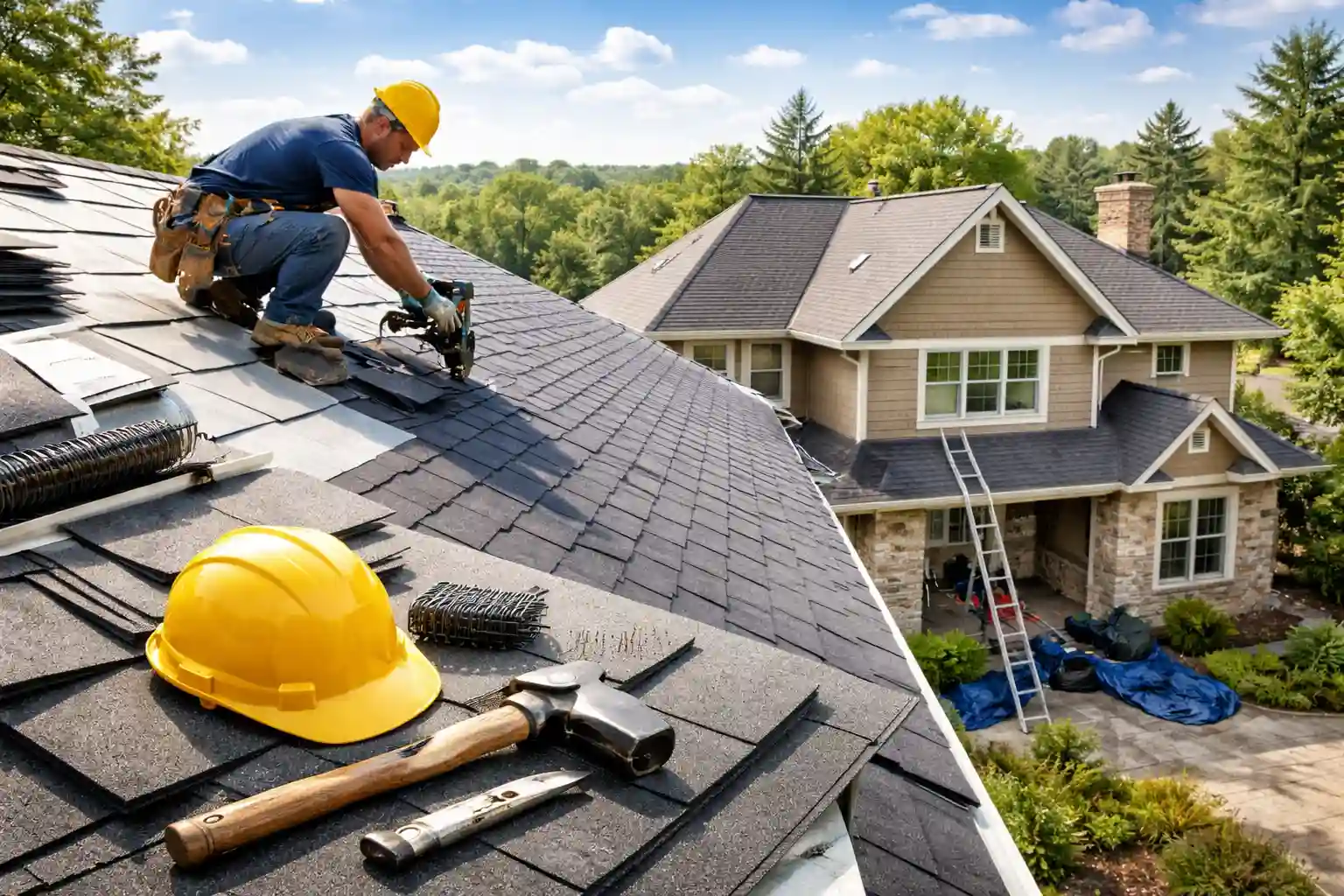
In the DFW Metroplex, storm season is a predictable part of the year. Hail, high winds, and heavy rain can cause significant roofing damage in a matter of minutes. While you can’t control the weather, you can prepare your home.
Knowing how to prepare your roof before storm season can reduce the risk of severe damage and help you avoid costly emergency repairs.
North Texas storms often bring:
A roof with existing vulnerabilities is far more likely to fail during severe weather.
Proactive preparation strengthens your roof before the next storm arrives.
The most important preparation step is a thorough inspection.
A professional evaluation can identify:
Addressing these problems before storm season reduces the likelihood of major failures.
Small repairs completed before storm season can prevent large-scale damage.
Common preventative repairs include:
Ignoring minor damage increases the chance of wind uplift and water intrusion.
Proper drainage is critical during heavy rain.
Before storm season:
Clogged gutters can cause water to back up under shingles.
Tree branches that hang over your roof can:
Trimming branches reduces the risk of punctures or structural impact during storms.
Balanced ventilation protects against moisture buildup during heavy rain.
Ensure:
Proper airflow strengthens your roofing system’s overall resilience.
If your roof is 15–20 years old and has endured multiple storm seasons, it may be more vulnerable to damage.
Older shingles are more likely to:
Understanding your roof’s age helps you plan proactively.
Before storm season begins, documenting your roof’s condition provides a helpful baseline.
Photo documentation can:
Clear records are valuable if storm damage occurs.
Failing to prepare your roof can result in:
Storm preparation is far less expensive than storm recovery.

Storms in the DFW Metroplex can develop quickly and cause serious damage in minutes. Preparing your roof ahead of time ensures it’s ready to withstand high winds, hail, and heavy rain.
If you want a thorough inspection and proactive evaluation before storm season begins, Timeless Roofing provides trusted roofing solutions designed to protect your home against unpredictable North Texas weather.

.svg)

.svg)
.svg)
.svg)