

.svg)


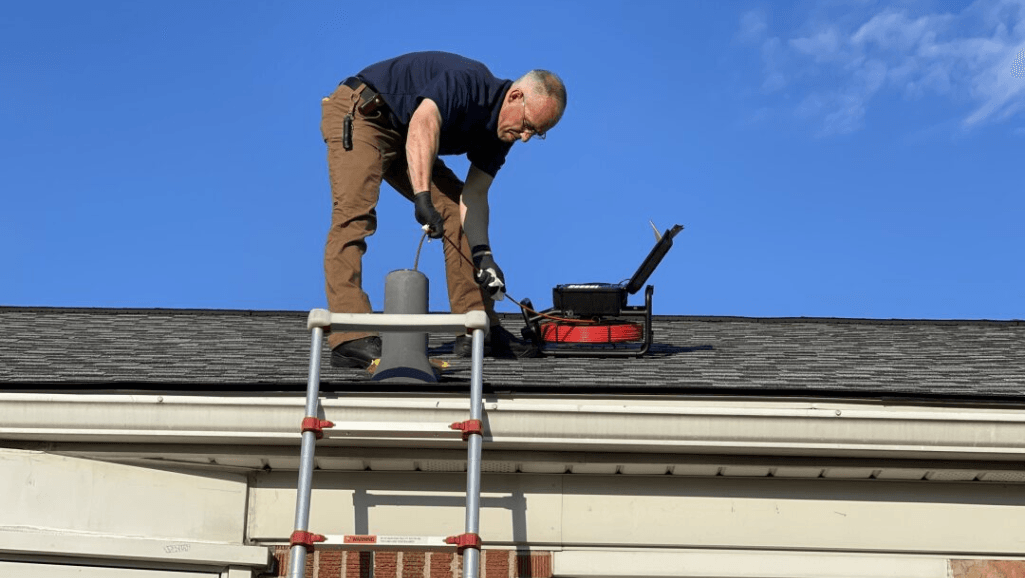
In the DFW Metroplex, storm season isn’t just a possibility — it’s expected. Between hailstorms, strong winds, heavy rainfall, and sudden temperature shifts, North Texas weather can place serious stress on your home. While you can’t prevent storms, you can prepare your property to minimize damage.
Understanding how to prepare your home for storm season helps protect your roof, reduce repair costs, and give you peace of mind when severe weather rolls in.
Before storm season peaks, have your roof professionally evaluated.
An inspection can identify:
Catching small issues early reduces the risk of major storm damage.
High winds can exploit even minor weaknesses.
Addressing loose materials before storms arrive helps:
Proactive repairs are far less expensive than emergency fixes.
Clogged gutters prevent proper drainage.
Before storm season:
Efficient drainage reduces roof edge stress during heavy rainfall.
Trees near your home can become hazards during storms.
Strong winds may cause:
Trimming back overhanging limbs reduces impact risk.
Balanced ventilation helps protect your roof from both heat and moisture.
Ensure:
Proper ventilation strengthens roofing performance under extreme weather conditions.
Storms impact more than shingles.
Check:
Damage to these areas can compromise overall roof integrity.
After any significant hail or wind event, plan to inspect your home safely from the ground.
Look for:
Even if damage appears minor, a professional inspection may reveal hidden impact.
Older roofs are more vulnerable during storm season.
If your roof is:
It may require closer monitoring or replacement planning.
Before major storms, secure or store:
Loose objects can become airborne and damage roofing materials.
If your home experiences storm damage:
Quick response minimizes secondary damage.

Storm season in the DFW Metroplex is unavoidable — but extensive damage doesn’t have to be. Preparing your roof and home ahead of severe weather strengthens your defense and protects your investment.
If you’d like a pre-season inspection or want professional guidance on preparing your roofing system for Texas storms, Timeless Roofing provides detailed evaluations and quality craftsmanship designed to help homeowners stay protected year-round.

.svg)

.svg)
.svg)
.svg)