

.svg)


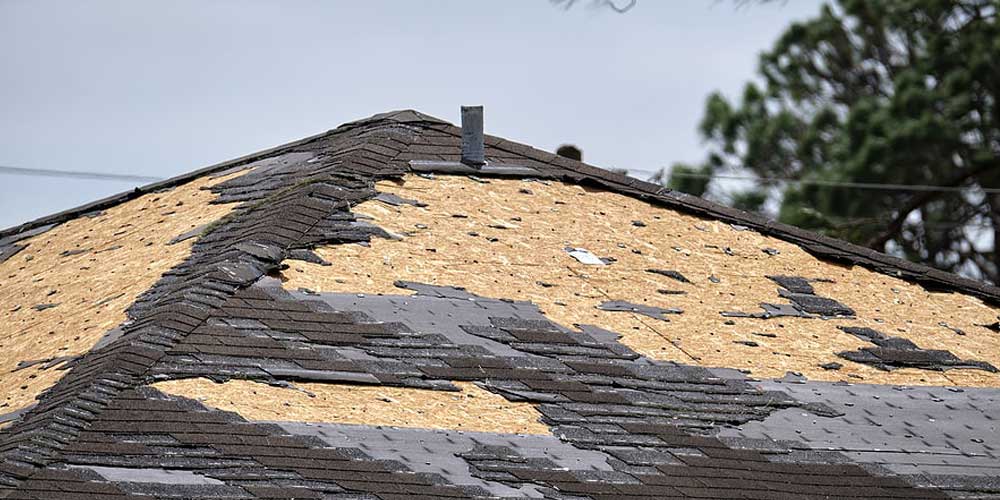
In Texas — especially in the DFW Metroplex — roofs face intense heat, hailstorms, strong winds, and heavy rain. While no roofing system lasts forever, proactive care can significantly extend its lifespan.
Understanding how to extend the life of your roof in Texas helps homeowners protect their investment and avoid premature replacement.
One of the most effective ways to extend roof lifespan is through routine inspections.
Annual evaluations help identify:
Addressing small issues early prevents larger structural problems later.
DFW weather can be unpredictable.
After hail or strong wind events:
Even if damage appears minor, professional evaluation ensures nothing is overlooked.
Ventilation plays a critical role in roof durability.
Balanced airflow:
Excess heat trapped beneath shingles accelerates aging in Texas summers.
Clogged gutters can cause water to back up under shingles.
Regular gutter cleaning helps:
Clear drainage systems support long-term roof performance.
Small repairs are far less expensive than major structural fixes.
Ignoring issues like:
Can lead to decking rot and interior damage.
Timely repair preserves overall roof integrity.
Trees that hang over your roof can:
Trimming branches reduces wear and storm vulnerability.
Foot traffic can:
Roof access should be limited to necessary inspections or professional service.
If your roof is nearing replacement age, consider material upgrades such as:
Stronger materials often deliver longer lifespan in DFW’s demanding climate.
Most asphalt roofs in Texas last 15–30 years depending on quality and maintenance.
Once your roof reaches 15–20 years old:
Proactive planning reduces emergency costs.
Proper installation is the foundation of roof longevity.
Correct nailing, flashing integration, and ventilation design all contribute to long-term durability.
Quality craftsmanship ensures materials perform as intended.

Texas weather is tough on roofing systems — but with routine inspections, preventative maintenance, and timely repairs, you can significantly extend your roof’s lifespan.
If you want expert guidance on maintaining or upgrading your roofing system, Timeless Roofing provides thorough inspections and quality craftsmanship designed to help DFW homeowners protect their homes for the long term.

.svg)

.svg)
.svg)
.svg)