

.svg)


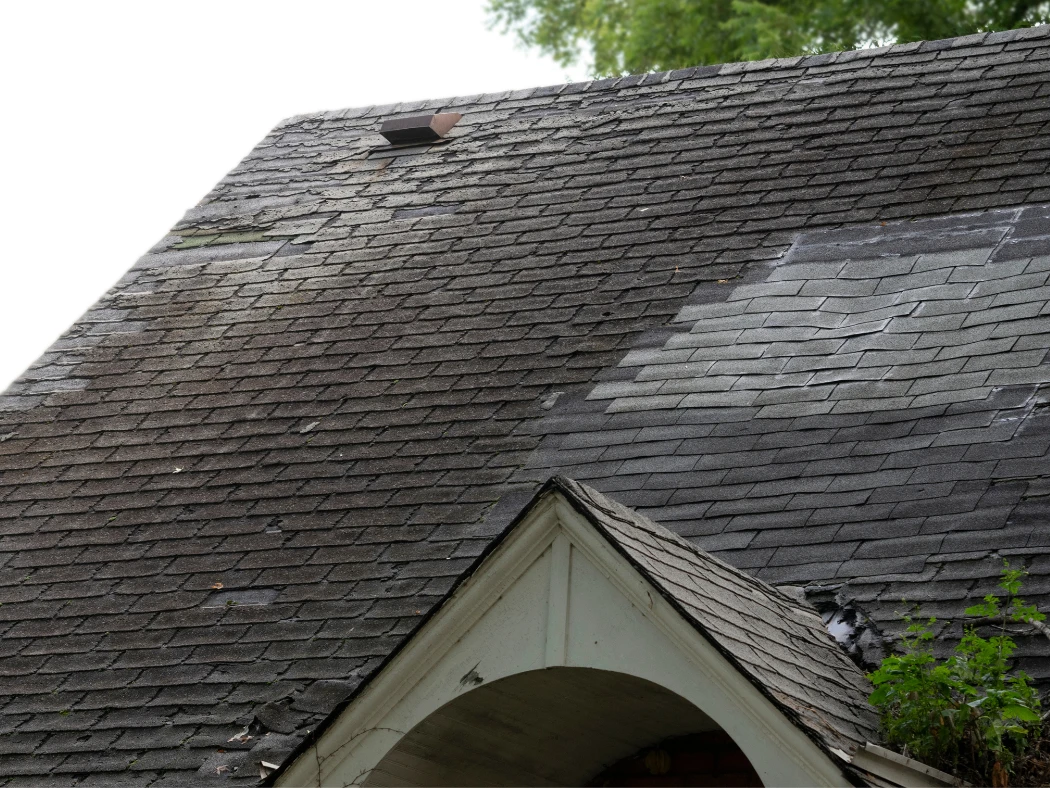
When most homeowners think about roof damage in the DFW Metroplex, they think about hail. But extreme heat is one of the most consistent and damaging forces affecting roofing systems in North Texas. With summer temperatures regularly exceeding 100°F, your roof endures intense UV exposure and prolonged thermal stress.
Understanding how Texas heat impacts your roof can help you prevent premature aging and costly repairs.
Even when the outside air temperature is 100°F, your roof surface can reach 150°F or higher under direct sunlight.
This extreme heat:
Over time, constant thermal stress reduces overall durability.
Shingles are coated with protective granules that shield them from UV rays.
Prolonged heat exposure can:
Granule loss leaves shingles vulnerable to further UV damage and shortens their lifespan.
If you notice granules accumulating in gutters, heat-related wear may be accelerating.
Texas weather often includes rapid temperature swings between day and night.
As roofing materials heat up and cool down, they expand and contract.
Over time, this repeated movement can:
These subtle changes may not be visible immediately but can contribute to long-term failure.
Extreme attic heat is often a sign of poor ventilation.
Without proper airflow:
Balanced intake and exhaust ventilation helps regulate attic temperatures and protect roofing materials.
A roof affected by excessive heat can contribute to rising energy bills.
When attic temperatures climb:
Proper roofing materials and ventilation reduce heat transfer into living spaces.
Most asphalt shingles rely on adhesive strips to bond them together.
Extreme heat can soften these strips during the day, and rapid cooling at night may prevent proper sealing.
Over time, weakened seals make shingles more vulnerable to:
This is especially concerning in a region prone to high winds.
In milder climates, asphalt roofs may last 25–30 years. In hot climates like DFW, intense heat can reduce that lifespan if maintenance is neglected.
Heat-related wear can:
Regular inspections help identify early signs of thermal damage.
Some roofing materials are better suited for high-temperature environments.
Homeowners may consider:
Material selection plays a major role in long-term performance.
To reduce heat-related damage:
Proactive care extends roof lifespan in extreme climates.

Heat may not cause sudden visible damage like hail, but its long-term impact is just as significant. In the DFW Metroplex, prolonged UV exposure and extreme temperatures place constant stress on roofing systems.
If you’re concerned about heat-related roof wear or want a professional evaluation of your roofing system, Timeless Roofing provides detailed inspections, transparent guidance, and quality workmanship built to withstand the demanding Texas climate.

.svg)

.svg)
.svg)
.svg)