

.svg)


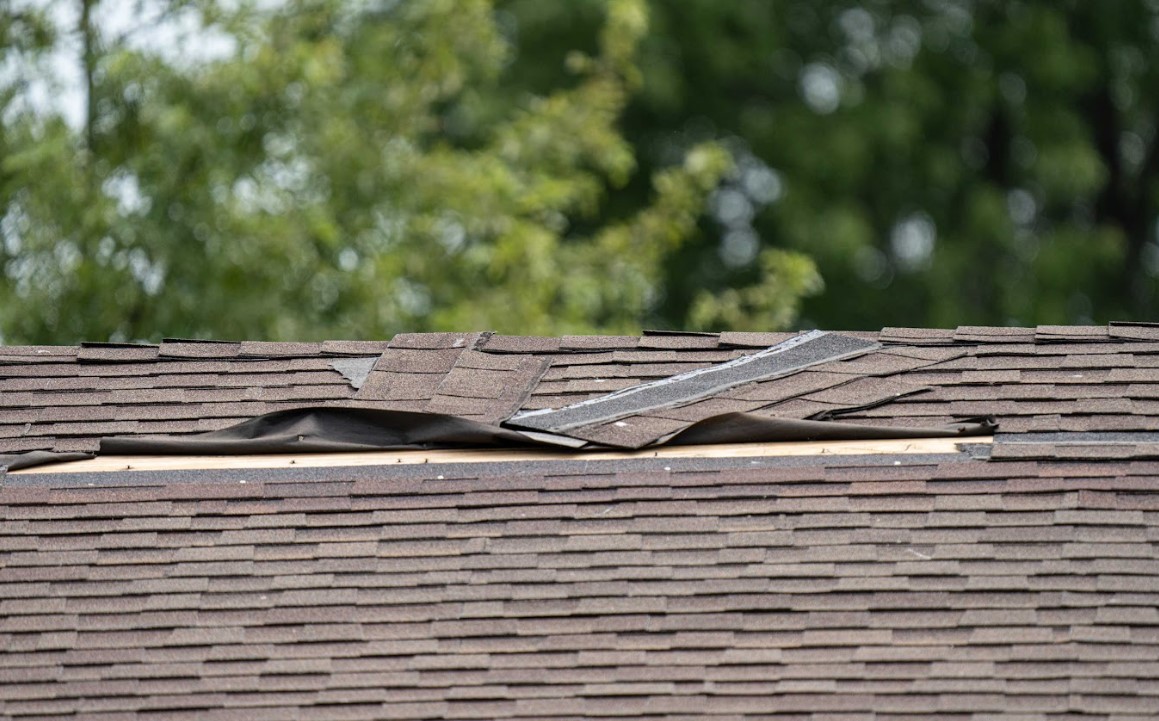
When most homeowners think about roof damage in the DFW Metroplex, they think about hail and storms. But one of the biggest threats to your roof isn’t sudden — it’s constant. Extreme Texas heat can quietly wear down roofing materials year after year.
Understanding how heat affects your roof helps you take proactive steps to extend its lifespan and avoid unexpected repairs.
Texas summers are intense. With temperatures often exceeding 100°F, your roof absorbs direct sunlight for hours every day.
Over time, ultraviolet (UV) rays can:
As shingles lose flexibility, they become more vulnerable to wind and storm damage.
Roofing materials naturally expand when heated and contract when cooled. In DFW, daily temperature swings can be significant — especially between hot afternoons and cooler evenings.
This repeated expansion and contraction can:
Although these changes may seem minor at first, they compound over years of exposure.
Shingle granules protect your roof from UV rays. When heat accelerates granule deterioration, shingles lose their protective barrier.
Granule loss can lead to:
If you notice excessive granules collecting in gutters, it may be a sign that heat exposure is taking its toll.
Your attic can become significantly hotter than the outside temperature during Texas summers. Without proper ventilation, trapped heat can:
Balanced attic ventilation allows hot air to escape, helping protect both your roofing materials and your home’s interior comfort.
Heat damage often goes unnoticed until it’s compounded by severe weather.
For example:
When heat and storms work together, roofing systems can deteriorate faster than expected.
Texas heat damage may present in subtle ways.
Look for:
If your roof is over 10–15 years old, heat-related wear may accelerate replacement needs.
Yes. In hotter climates like North Texas, roofs often age faster than manufacturer estimates suggest.
While asphalt shingles may be rated for 20–30 years, extreme heat exposure can reduce that timeline if maintenance and ventilation are not properly managed.
Routine inspections and proactive repairs help counteract this accelerated aging.
While you can’t control the Texas weather, you can take steps to protect your roof.
Annual inspections catch early signs of heat-related wear before they escalate.
Proper intake and exhaust ventilation regulate attic temperatures and reduce stress on shingles.
Impact-resistant or energy-efficient shingles may perform better under extreme conditions.
Loose shingles or flashing gaps should be repaired quickly to prevent further heat-related deterioration.

Texas heat is relentless, but proactive care can extend your roof’s performance and protect your home’s structure.
By understanding how extreme temperatures affect roofing systems, homeowners can make informed decisions about maintenance, repairs, and future replacements.
If you’re concerned about heat-related roof wear or want a professional evaluation of your roofing system, Timeless Roofing provides thorough inspections, transparent guidance, and quality craftsmanship designed to withstand the demands of the DFW climate.

.svg)

.svg)
.svg)
.svg)