

.svg)


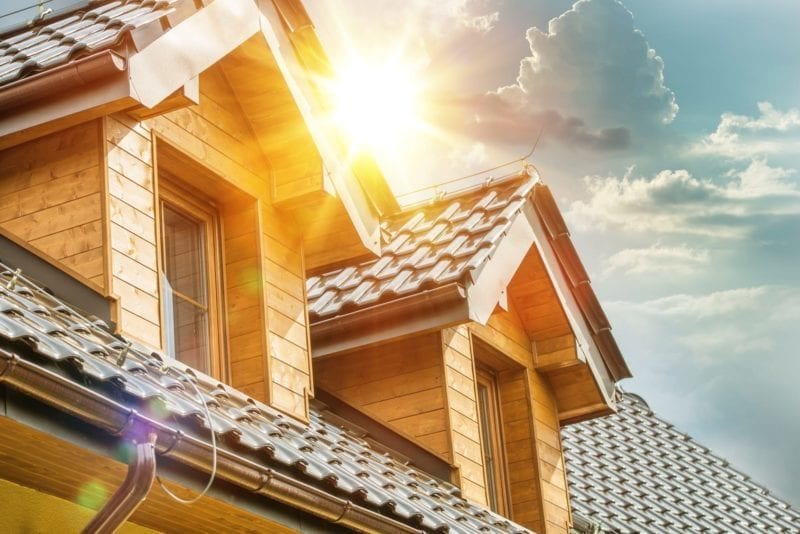
While storms often receive the most attention when it comes to roof damage, one of the most constant forces affecting roofing systems is sunlight. Day after day, roofs are exposed to ultraviolet (UV) radiation and high temperatures that can gradually weaken roofing materials.
In regions like the DFW Metroplex, where summers bring intense heat and prolonged sun exposure, this environmental factor plays a major role in the lifespan of a roof. Understanding how sunlight affects roofing systems can help homeowners recognize why regular inspections and maintenance are essential.
Ultraviolet radiation from the sun slowly breaks down many materials over time. Roofing materials are no exception. Although shingles are designed to withstand sunlight, continuous UV exposure can gradually cause them to lose strength.
Over time, UV rays may cause shingles to:
When shingles become brittle, they are more likely to break or loosen during severe weather events.
Another effect of constant sun exposure is the expansion and contraction of roofing materials. During the heat of the day, roofing materials expand as temperatures rise. At night, they contract as temperatures cool.
This daily cycle can place stress on the roofing system over long periods.
Repeated expansion and contraction may eventually lead to:
These small changes can gradually create vulnerabilities in the roof.
Sun exposure is one of the primary reasons roofing materials naturally age over time. Asphalt shingles contain oils that help maintain flexibility and durability. However, intense heat can slowly cause these oils to evaporate.
When this occurs, shingles may begin to show signs of aging such as:
These signs often indicate that the roofing materials are experiencing long-term environmental stress.
The small granules covering asphalt shingles serve an important purpose. They protect shingles from UV radiation and help reduce heat absorption.
Over time, however, constant exposure to sunlight can cause these granules to loosen.
When granules begin wearing away, shingles may become more vulnerable to:
Large amounts of granules in gutters can sometimes indicate that shingles are beginning to age.
Sun exposure does not only affect the outer surface of the roof. It can also cause significant heat buildup within the attic space.
When attic temperatures rise, the heat can affect the underside of the roofing materials. This additional heat stress may accelerate the aging process of the roof.
Proper attic ventilation helps reduce heat buildup and protects roofing components from excessive temperature fluctuations.
When roofing materials weaken due to prolonged sun exposure, they may become more vulnerable during storms.
Shingles that have lost flexibility or durability are more likely to:
Maintaining the roof through routine inspections helps identify aging materials before severe weather causes significant damage.
Because sun-related wear develops gradually, homeowners may not notice the effects until visible damage appears. Professional roof inspections help identify early signs of sun damage before they worsen.
During inspections, roofing professionals may evaluate:
These evaluations help ensure the roof continues performing effectively.

Sun exposure is one of the most consistent environmental factors affecting roofing systems. Over time, UV radiation and heat can weaken roofing materials and contribute to the natural aging of the roof.
If you want to ensure your roofing system remains strong and capable of handling the demanding weather conditions of North Texas, Timeless Roofing provides expert inspections and quality craftsmanship designed to help homeowners maintain dependable roofing systems throughout the DFW Metroplex.

.svg)

.svg)
.svg)
.svg)