

.svg)


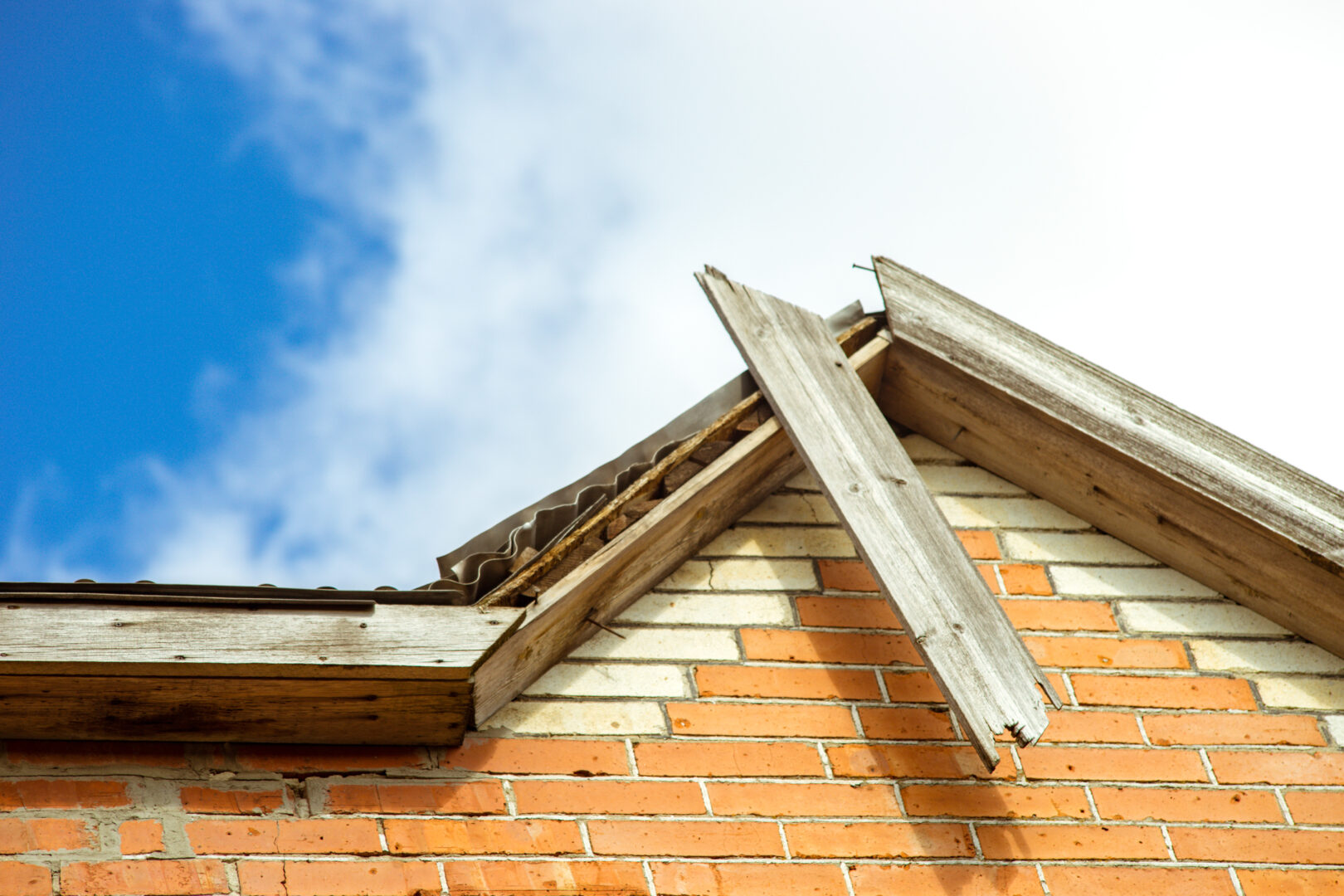
While storms often bring heavy rain and hail, strong winds alone can cause significant damage to residential roofing systems. In North Texas, windstorms frequently accompany seasonal weather patterns and severe thunderstorms. Even when winds are not strong enough to cause obvious damage, they can still weaken roofing materials over time.
Because the roof is the first structure exposed to high winds, it experiences intense pressure during storms. Understanding how wind can affect your roof helps homeowners recognize potential issues and maintain a strong roofing system.
Roofing materials are designed to withstand normal weather conditions, but powerful winds can still place stress on shingles and other components. When wind flows across the roof surface, it creates upward pressure that can lift the edges of shingles.
This lifting effect may cause:
Even small amounts of movement can make shingles more vulnerable during future storms.
One of the most common forms of wind damage is shingle lifting. When wind slips underneath the edges of shingles, it may gradually break the seal that keeps them attached to the roof.
Once this seal is compromised, shingles may:
Displaced shingles create openings where water can eventually enter the roofing system.
When shingles become loose or fall off the roof, the protective layers beneath them may become exposed to weather conditions. These layers include underlayment and roof decking, both of which play important roles in protecting the structure.
Exposure to wind and rain can lead to:
Addressing wind damage early helps prevent these vulnerabilities.
Strong winds often carry debris such as tree branches, leaves, and airborne objects. When these items strike the roof, they can cause additional damage to roofing materials.
Debris impact may lead to:
While some debris may appear harmless, repeated impacts can weaken roofing materials over time.
The edges of a roof are often the first areas affected by strong winds. Because these sections are more exposed, shingles along the roofline may experience greater pressure during storms.
If roof edges become compromised, wind may continue lifting additional shingles further up the roof surface.
Protecting roof edges through proper installation and maintenance helps reduce the risk of widespread wind damage.
Not all wind damage is easy to detect from the ground. In many cases, shingles may appear intact while their adhesive seals have already been weakened.
Over time, these weakened areas may allow rainwater to enter the roofing system during future storms.
Because of this, wind damage may not always become noticeable until a leak develops or additional shingles become displaced.
After severe wind events, roof inspections can help identify vulnerabilities before they lead to larger problems. Roofing professionals are trained to detect subtle signs of wind damage that homeowners may not notice.
During inspections, professionals may check for:
Early identification of these issues helps prevent future leaks.
While storms cannot be avoided, proper roof maintenance helps ensure the roofing system remains strong and capable of handling challenging weather conditions.
Helpful maintenance steps include:
These preventative measures help maintain the durability of the roofing system.

Strong winds can affect roofing systems in ways that are not always immediately visible. Identifying and addressing wind damage early helps protect the roof from leaks and structural issues.
If your home has experienced strong winds or severe weather, Timeless Roofing provides detailed inspections and quality craftsmanship designed to help homeowners maintain durable and dependable roofing systems throughout the DFW Metroplex.

.svg)

.svg)
.svg)
.svg)