

.svg)


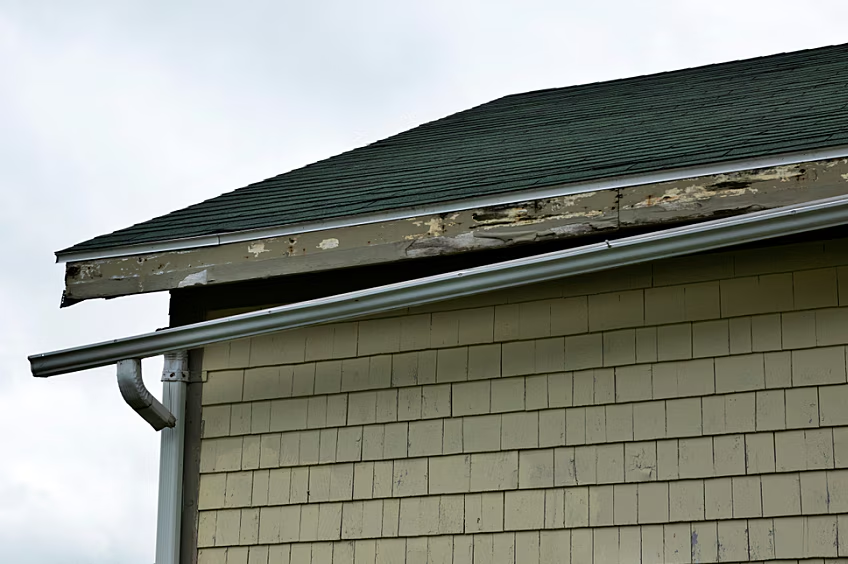
In the DFW Metroplex, storm season is more than just a few heavy rain showers. Hail, high winds, rapid pressure changes, and intense downpours can all impact your roof’s long-term durability. Even if your roof survives a storm without obvious damage, repeated exposure can gradually shorten its lifespan.
Understanding how storm season impacts roof lifespan helps homeowners take proactive steps to protect their investment.
Hail is one of the most damaging weather events for roofing systems in North Texas.
Even small hailstones can:
Damage may not immediately cause leaks, but it reduces the roof’s ability to withstand future storms.
Over time, cumulative hail exposure accelerates aging.
Storms in DFW often include strong wind gusts.
High winds can:
Even if shingles don’t blow off entirely, weakened seals make the roof more vulnerable during the next storm.
Repeated wind events gradually reduce structural integrity.
Intense rainfall tests your roof’s drainage system.
If gutters or valleys are compromised, heavy rain can:
Proper slope and flashing installation are essential during storm season.
Storm systems often bring sudden temperature drops after intense heat.
This causes roofing materials to:
Repeated expansion and contraction accelerate material fatigue.
A single storm may not cause noticeable failure. However, repeated exposure year after year weakens roofing components.
Over multiple storm seasons, roofs may experience:
Lifespan reduction often happens incrementally rather than dramatically.
Roofs that are 15–20 years old are particularly susceptible during storm season.
Aging materials may:
Annual inspections become even more important as roofs age.
After each major storm season, professional evaluations can identify:
Catching storm-related issues early extends overall lifespan.
Homeowners can help protect their roof by:
Proactive maintenance slows storm-related deterioration.

In the DFW Metroplex, storm season is inevitable — but premature roof failure doesn’t have to be. Understanding how hail, wind, and heavy rain affect your roofing system allows you to plan ahead and extend lifespan.
If you want a professional evaluation after storm season or guidance on strengthening your roof against future weather events, Timeless Roofing provides detailed inspections and quality craftsmanship designed to protect Texas homes year after year.

.svg)

.svg)
.svg)
.svg)