

.svg)


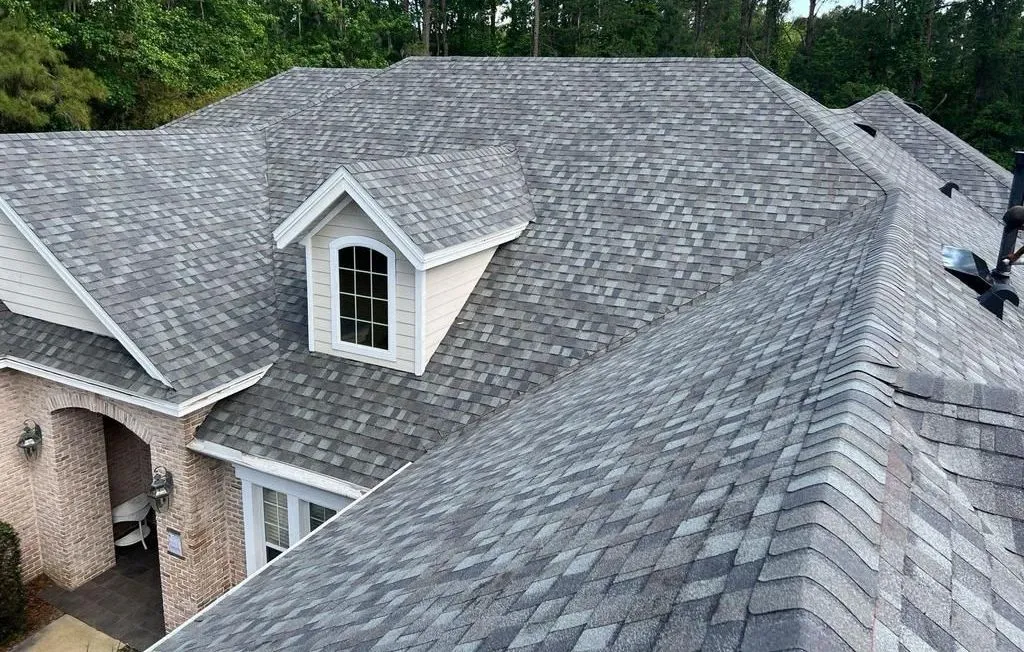
Your roof does more than shield your home from rain — it plays a critical role in protecting your family, your belongings, and your property’s structural integrity. In the DFW Metroplex, where severe storms, hail, and high winds are common, roofing performance directly impacts home safety.
Understanding how roofing impacts home safety helps homeowners prioritize inspections, maintenance, and timely replacement.
North Texas weather can be unpredictable and intense.
A properly installed roofing system protects against:
If shingles are damaged or flashing is compromised, water can enter the home and create dangerous structural conditions.
One of the most serious safety concerns caused by roofing failure is moisture intrusion.
Water entering your home can lead to:
Mold exposure can pose health risks, especially for children, elderly residents, and individuals with respiratory conditions.
Early detection of roofing issues prevents these hazards.
Your roof contributes to the overall structural stability of your home.
Compromised decking or framing can:
Maintaining roof integrity protects the entire structure from deterioration.
Roofing materials are designed with fire resistance in mind.
Shingle granules help:
Damaged or aging shingles may reduce this protective capability.
High winds in DFW can turn debris into dangerous projectiles.
A secure roof:
Loose or weakened roofing materials can become hazards themselves during severe storms.
Roof ventilation affects more than temperature — it influences air quality.
Poor ventilation may cause:
Balanced airflow protects indoor environments from hidden health concerns.
Water infiltration through a compromised roof can reach:
Moisture in electrical systems increases fire risk and safety hazards.
Maintaining roof integrity reduces the chance of dangerous electrical complications.
Routine roof inspections help identify:
Proactive maintenance prevents small problems from becoming safety risks.
Watch for:
These signs often indicate that safety concerns may be developing.

Your roof is your home’s first line of defense. In the DFW Metroplex, where weather conditions can change quickly, maintaining a strong roofing system protects not just your property — but your family’s safety.
If you have concerns about your roof’s condition or want a professional evaluation to ensure your home remains protected, Timeless Roofing provides thorough inspections, transparent assessments, and quality craftsmanship designed to safeguard your home for years to come.

.svg)

.svg)
.svg)
.svg)