

.svg)


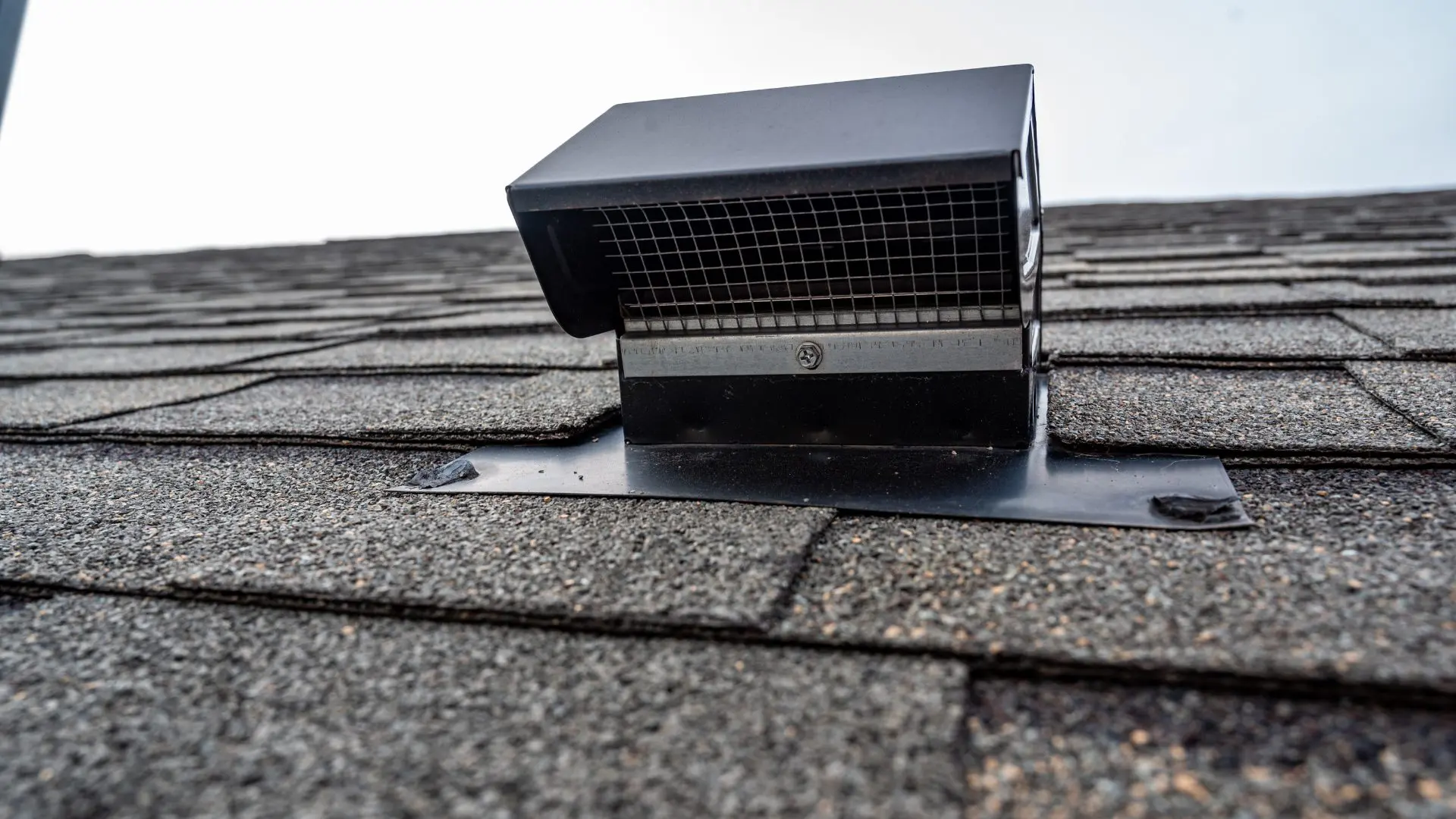
When homeowners think about roofing durability, they usually focus on shingles. However, one of the most important factors affecting shingle lifespan in the DFW Metroplex is something you can’t see from the ground: roof ventilation.
Understanding how roof ventilation impacts shingle performance helps homeowners protect their investment against Texas heat, humidity, and storm conditions.
Roof ventilation refers to the system of intake and exhaust vents that allow air to flow through your attic space.
A balanced ventilation system typically includes:
This airflow regulates temperature and moisture inside the attic.
North Texas summers bring:
Without proper ventilation, attic temperatures can exceed 140°F.
Excessive heat from below can “bake” shingles, accelerating deterioration.
When attic heat becomes trapped:
Even high-quality shingles will underperform without proper airflow.
Ventilation doesn’t just regulate heat — it also controls moisture.
Without airflow:
Moisture from cooking, bathing, and daily living rises into the attic. Without ventilation, it has nowhere to escape.
Improper ventilation can reduce roof lifespan significantly.
Instead of lasting 20–30 years, shingles may deteriorate sooner due to:
Ventilation issues often go unnoticed until premature wear appears.
Homeowners may notice:
These signs often point to airflow imbalance.
A properly ventilated attic reduces:
In the DFW climate, improved airflow can make a noticeable difference in comfort and efficiency.
Roof replacement is the ideal time to evaluate ventilation.
A comprehensive roofing system includes:
Simply installing new shingles without addressing ventilation may limit performance.
Effective ventilation requires balance.
Too little intake or exhaust can create pressure imbalances that:
A professional inspection ensures airflow is properly calibrated.

Roofing performance isn’t just about what’s on top — it’s also about what’s underneath. In the demanding DFW climate, proper ventilation plays a critical role in extending shingle lifespan, reducing energy costs, and preventing moisture damage.
If you’re planning roof replacement or suspect ventilation issues may be affecting your home, Timeless Roofing provides thorough inspections, transparent evaluations, and quality craftsmanship designed to protect your roof from the inside out.

.svg)

.svg)
.svg)
.svg)