

.svg)


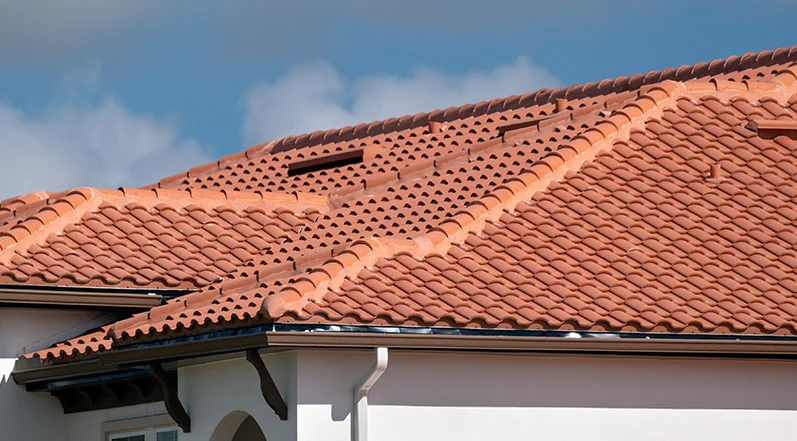
When replacing a roof, most homeowners focus on durability and curb appeal. But in the DFW Metroplex — where summer temperatures regularly exceed 100°F — roof color plays a significant role in energy performance.
Understanding how roof color affects energy efficiency can help you make a smarter decision during roof replacement.
Your roof absorbs direct sunlight all day long. The darker the surface, the more heat it absorbs.
In Texas heat:
While color alone doesn’t determine energy efficiency, it plays a measurable role.
Dark-colored shingles are popular for their bold, modern appearance.
In hot climates like DFW, darker roofs can intensify thermal stress on shingles.
Light-colored shingles reflect more sunlight.
Lighter shades are often chosen for energy-conscious upgrades.
When a roof absorbs excessive heat, it transfers warmth into the attic.
This can lead to:
In the DFW climate, even small improvements in heat reflection can make a difference over time.
Roof color alone does not determine energy efficiency.
Balanced attic ventilation is essential to:
A dark roof with proper ventilation may perform better than a light roof with poor airflow.
Modern shingles often incorporate reflective granules designed to:
Energy-efficient roofing options are available in both light and moderate shades.
In hot climates, darker roofs may experience:
Lighter roofs can help reduce surface temperature extremes, potentially extending shingle performance.
However, installation quality and ventilation remain equally important factors.
When selecting a roof color, consider:
Balancing aesthetics with performance ensures you get both curb appeal and practical value.
If energy performance is your priority, additional upgrades may include:
Roof replacement offers an opportunity to improve your home’s overall efficiency.

In the DFW Metroplex, heat is one of the biggest long-term stressors on roofing systems. Roof color can influence energy efficiency, attic temperatures, and long-term material performance.
If you’re planning a roof replacement and want guidance on selecting materials and colors suited for North Texas weather, Timeless Roofing provides transparent evaluations and quality craftsmanship designed to protect your home while optimizing long-term performance.

.svg)

.svg)
.svg)
.svg)