

.svg)


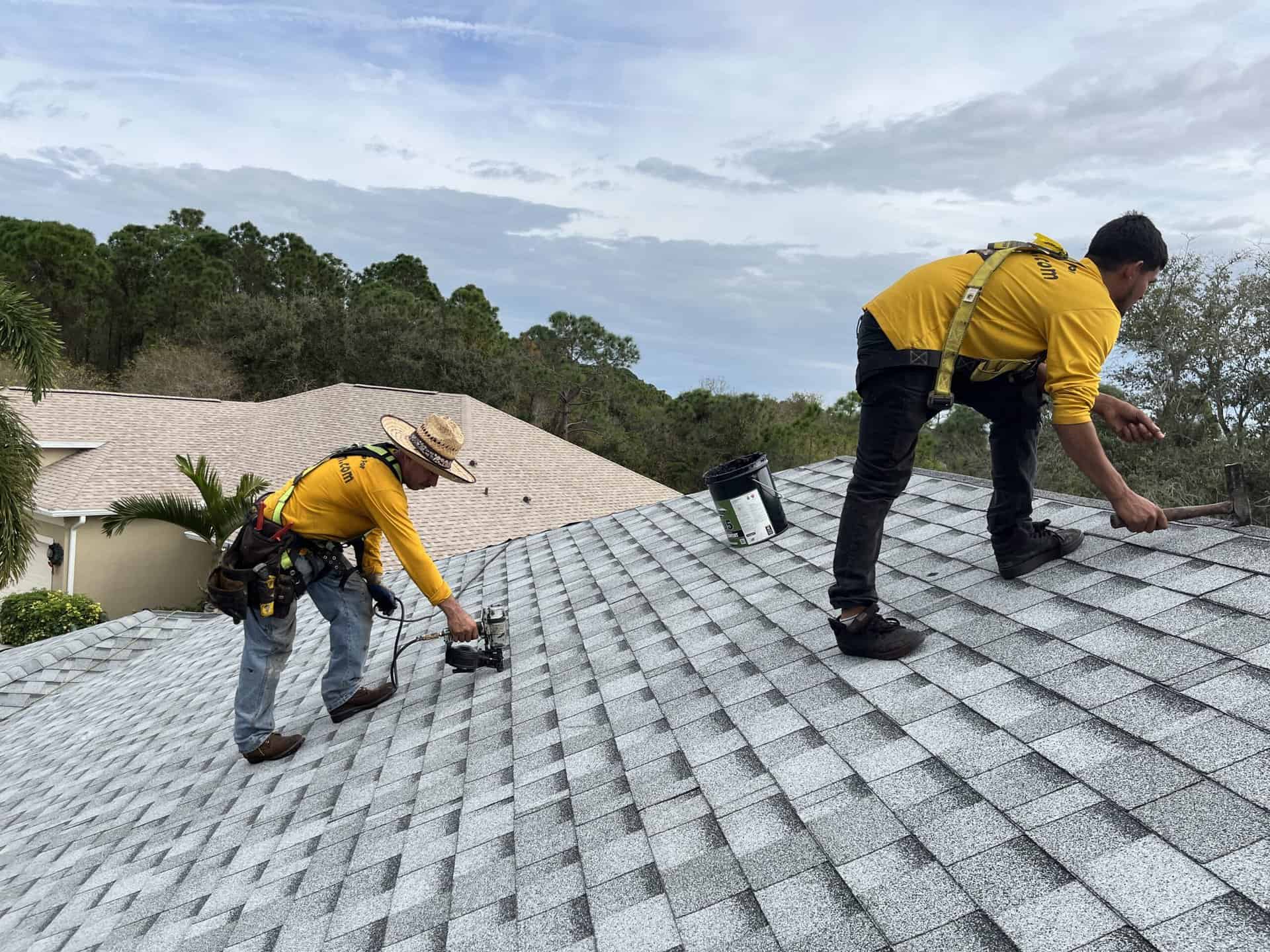
One of the most common questions homeowners ask is: How often should I replace my roof? In Texas — especially in the DFW Metroplex — the answer depends on several factors, including material type, installation quality, storm exposure, and maintenance history.
Understanding how often to replace your roof in Texas helps you plan proactively and avoid costly emergency situations.
Texas weather is harsher than many other regions due to intense heat, UV exposure, hail, and wind. Because of this, roofs may age faster than national averages.
Typical lifespans include:
These estimates assume proper installation and maintenance.
The DFW Metroplex experiences:
Daily expansion and contraction from heat can weaken shingles over time. Repeated storm exposure accelerates wear even if visible damage isn’t obvious.
Regardless of age, consider replacement if you notice:
When repairs become frequent, replacement often becomes more cost-effective.
In Texas, once your roof reaches the 15–20 year mark, it’s wise to begin annual professional evaluations.
At this stage:
Even if replacement isn’t immediately necessary, planning ahead reduces surprises.
A roof that survives one hailstorm may still suffer cumulative damage over time.
Even if each storm causes minor impact, repeated exposure can:
Regular inspections after major storms help determine whether replacement is warranted.
Older roofs often lack modern materials and ventilation standards.
Replacing an aging roof may:
In hot Texas summers, these upgrades can make a noticeable difference.
Some insurance providers adjust coverage for roofs over 20 years old.
Delaying replacement may result in:
Planning replacement proactively can protect financial stability.
Roof replacement may be the better option if:
An honest inspection helps clarify the most practical solution.

In the DFW Metroplex, most asphalt roofs should be evaluated closely once they approach 15–20 years old. While some may last longer with proper care, proactive planning protects your home from unexpected failure and costly interior damage.
If you’re unsure how old your roof is or whether it’s time to begin planning for replacement, Timeless Roofing provides detailed inspections, transparent evaluations, and quality craftsmanship designed to protect Texas homes for the long term.

.svg)

.svg)
.svg)
.svg)