

.svg)


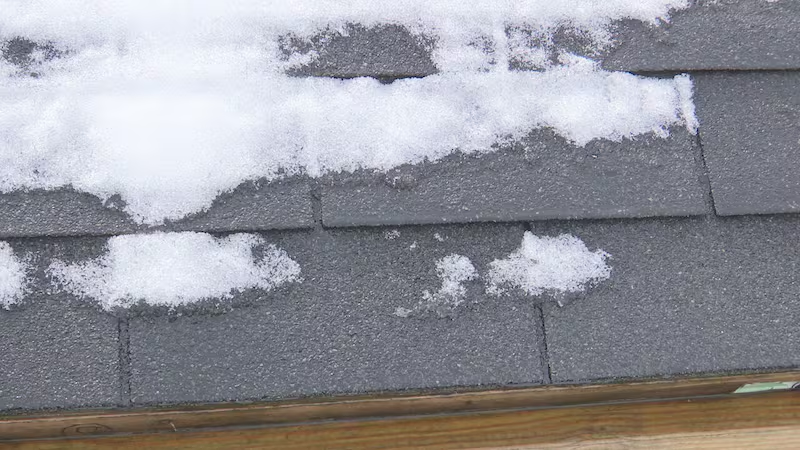
If you’re a homeowner in the DFW Metroplex, you’ve probably asked yourself: How long should my roof last? The answer depends on several factors, including material type, installation quality, storm exposure, and maintenance.
Texas weather can be tough on roofing systems. Understanding the expected lifespan of your roof helps you plan ahead, avoid surprises, and protect your investment.
Different roofing materials perform differently under Texas conditions.
The most common roofing material in DFW, asphalt shingles typically last:
However, frequent hailstorms and extreme heat can shorten that lifespan if damage occurs.
Designed for hail-prone regions, impact-resistant shingles may last longer due to enhanced durability and resistance to storm damage.
Metal roofs can last 40–70 years with proper installation and maintenance. They perform well in extreme weather but require specialized installation.
The key takeaway: lifespan estimates assume proper installation and routine maintenance.
The DFW climate presents several challenges for roofing systems.
Prolonged sun exposure can dry out shingles, weaken adhesives, and cause cracking over time.
Repeated hail impact can bruise shingles, loosen granules, and reduce long-term durability — even when leaks don’t appear immediately.
Strong winds can lift shingles and compromise seals, increasing the risk of water intrusion.
If flashing or underlayment is weakened, heavy rainfall can accelerate deterioration.
Because of these conditions, Texas roofs often age faster than those in milder climates.
Even the best roofing materials will fail prematurely if installed incorrectly.
Proper roof installation ensures:
Poor installation can reduce a roof’s lifespan by years.
Attic ventilation is one of the most overlooked factors affecting roof longevity.
Without proper airflow:
A well-ventilated attic regulates temperature and protects roofing materials from premature wear.
Even if your roof hasn’t reached its expected lifespan, certain warning signs indicate replacement may be approaching.
Look for:
If your roof is over 15 years old and showing these signs, a professional inspection is recommended.
Absolutely. Routine maintenance plays a major role in maximizing longevity.
Annual inspections help:
Proactive care can add years to your roof’s performance.
If your roof is aging but damage is isolated, roof repair may extend its life.
However, replacement may be more cost-effective when:
A thorough inspection helps determine the best course of action.
Waiting until leaks appear can lead to interior damage, insulation issues, and structural repairs.
Understanding your roof’s age and condition allows you to:
Being proactive reduces stress and long-term expenses.

Roof lifespan in Texas depends on material choice, installation quality, weather exposure, and maintenance habits. While most asphalt shingle roofs last 15–25 years, proactive care and professional oversight can maximize performance.
If you’re unsure about your roof’s age or condition, a professional inspection provides clarity and confidence moving forward.
For homeowners seeking honest evaluations, hands-on service, and roofing solutions built to withstand Texas weather, Timeless Roofing delivers trusted guidance and quality craftsmanship throughout the DFW Metroplex.

.svg)

.svg)
.svg)
.svg)