

.svg)


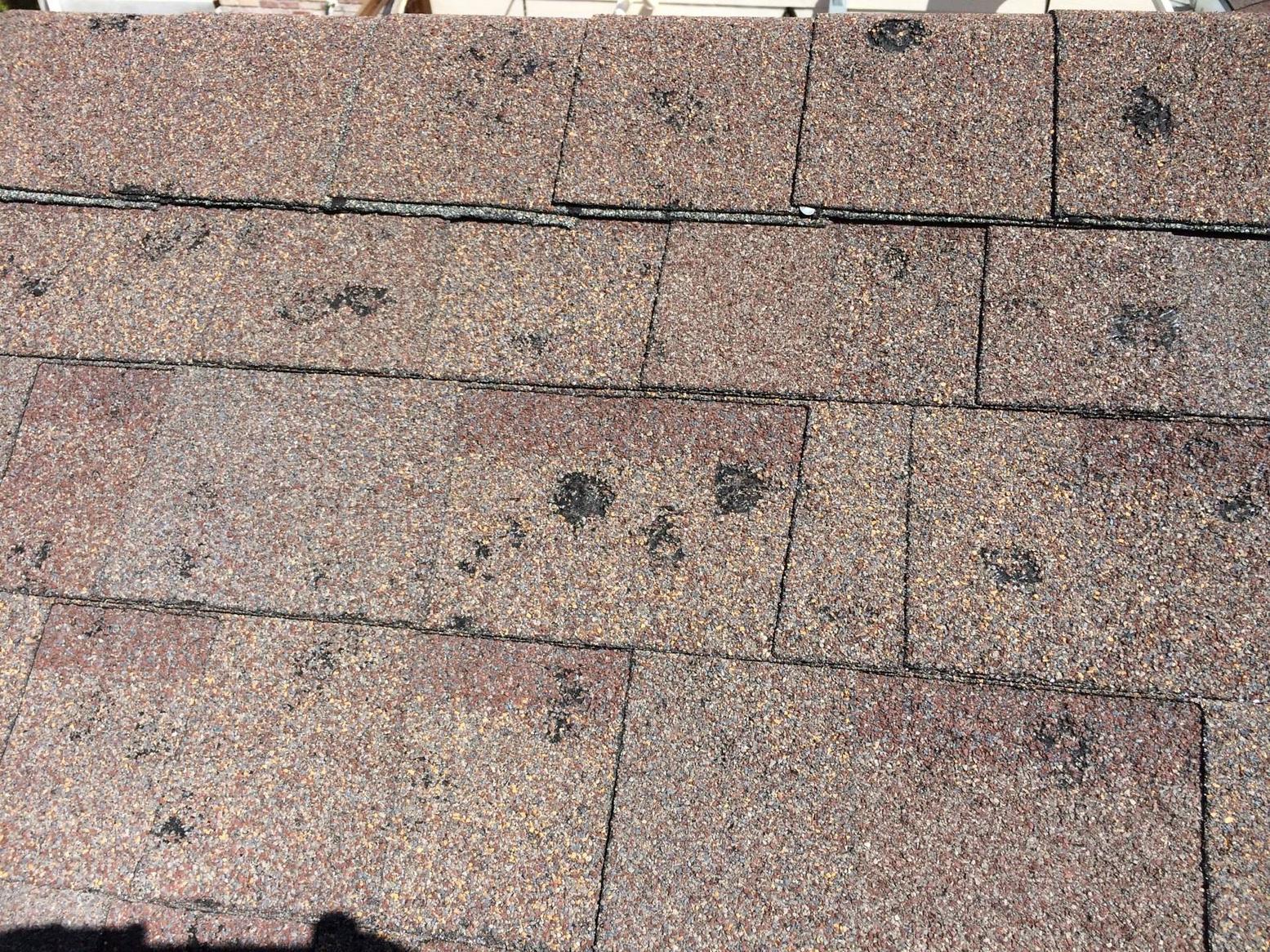
In the DFW Metroplex, hailstorms are not a rare event — they’re part of life. From small pellets to golf ball-sized impact, hail can cause serious roofing damage. However, not all roofing materials respond to hail the same way.
Understanding how hail affects different roofing materials helps homeowners make informed decisions about inspections, repairs, and future upgrades.
Hail damage doesn’t always result in immediate leaks. In many cases, the impact weakens materials beneath the surface.
Even if your roof looks fine from the ground, hail may cause:
Over time, these vulnerabilities can lead to water intrusion.
Asphalt shingles are the most common roofing material in DFW.
Hail can:
Granules protect against UV exposure. Once displaced, shingles deteriorate more quickly under Texas heat.
You may not see obvious holes, but weakened shingles are more likely to fail during future storms.
Architectural shingles are thicker and more durable than standard three-tab shingles.
Because of their multi-layer construction, architectural shingles:
However, they are not hail-proof. Severe storms can still cause hidden damage that requires professional inspection.
Impact-resistant shingles are designed specifically for hail-prone areas like North Texas.
While no roofing material is completely immune to hail, impact-resistant shingles are built to minimize damage severity.
Metal roofing is another option used in both residential and commercial applications.
Metal roofs:
In some cases, dents may not compromise performance but can affect appearance.
Commercial or low-slope roofing systems often use membranes such as TPO or modified bitumen.
Hail can:
Because flat roofs rely heavily on proper sealing, even minor hail punctures can lead to leaks.
Older roofs are more vulnerable to hail.
Over time:
An aging roof is more likely to crack or fail during even moderate hail events.
Regular inspections help determine how well your roofing materials are holding up.
After a hailstorm, it’s important to schedule a professional roof inspection — even if you don’t see visible damage.
A thorough inspection includes:
Early identification prevents small hail damage from turning into larger structural problems.
The appropriate solution depends on:
In some cases, localized repairs are sufficient. In others, widespread hail damage may require replacement to restore full protection.
An honest, detailed evaluation ensures the right decision is made.

Hail is unpredictable in the DFW Metroplex — but preparation isn’t. Choosing durable materials and scheduling inspections after storms can significantly reduce long-term damage.
If your home has experienced recent hail or you want to evaluate how your roofing materials are performing, Timeless Roofing provides thorough inspections, transparent documentation, and quality roofing solutions designed to protect your home against North Texas weather.

.svg)

.svg)
.svg)
.svg)