

.svg)


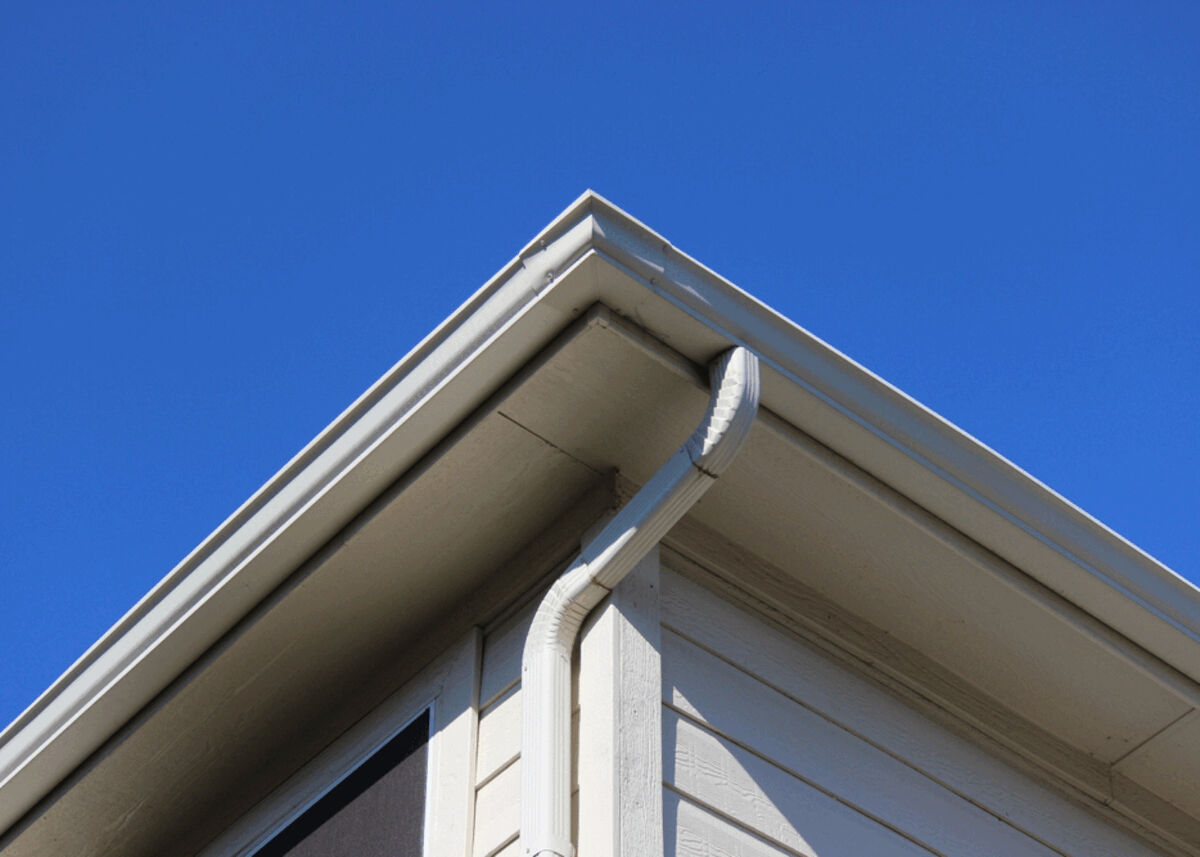
Most DFW homeowners don't think about their gutters until something goes wrong. A sagging section. Water pouring over the edge during a rainstorm. A rust stain streaking down the fascia. By the time any of those symptoms appear, the gutters have usually been working against your home rather than for it for some time.
In the Dallas-Fort Worth area — where heavy spring rains arrive fast and hard, where the clay soil under most homes expands and contracts dramatically with moisture, and where storms routinely deposit debris overnight — a gutter system that isn't performing isn't just an eyesore. It's a liability.
The Foundation Problem. Most DFW homes sit on slab foundations resting on expansive clay soil. This soil absorbs water and expands, then dries out and contracts — the primary driver of foundation cracking in North Texas. When gutters fail and allow water to dump against the foundation perimeter, they're feeding exactly the moisture fluctuation that damages DFW foundations most. Foundation repair in North Texas frequently runs $5,000 to $20,000 or more. A functional gutter system is one of the most cost-effective defenses against this problem.
The Roof and Fascia Problem. Clogged or improperly pitched gutters allow water to back up under the roof edge, saturating the fascia boards. Fascia rot is cumulative and usually invisible until it's progressed significantly — and replacing rotted fascia alongside a roof repair or replacement is far more expensive than maintaining the gutters correctly in the first place.
The Shingle Diagnostic Connection. Your gutters are actually a useful diagnostic tool for your roof. The granules washing off your shingles accumulate in gutters and at downspout bases. A small amount is normal on a newer roof. Significant quantities mean your shingles are losing their protective coating at an accelerating rate and need professional inspection.
Overflowing water during rain. Water spilling over the front face of the gutter rather than flowing to the downspout means the gutters are clogged, improperly pitched, or undersized. This is the most obvious sign — and the most immediate foundation risk.
Sagging sections or gutters pulling from the fascia. Sagging gutters don't drain correctly, pool water, and accelerate hanger failure. Gutters visibly pulling away from the fascia indicate the underlying fascia board may already be compromised and needs assessment.
Rust stains or peeling paint on the fascia below the gutter line. Water is escaping somewhere it shouldn't be — either leaking at seams or backing up behind the gutter channel. This is early-stage fascia damage warning you to act.
Standing water at the foundation after rain. Walk the perimeter of your home after a significant DFW rain event. Water pooling against the slab — rather than draining away — means the gutters are failing at their most important job. In DFW's clay soil, this is a foundation risk that needs to be corrected.
Granules and debris at downspout bases. Large quantities of granule accumulation confirms the gutters have been retaining debris and also flags that your shingles deserve a professional inspection.
Visible cracks, holes, or rust in the gutter body. Sectional gutters on older DFW homes develop leaking seams over time. Cracks or significant rust typically mean section replacement is more cost-effective than repeated sealant repairs.
Plant growth inside the channel. If vegetation is growing in your gutters, they've been holding standing water and organic matter long enough for it to establish. They're almost certainly overflowing during every significant rain event.
Older DFW homes typically have sectional gutters — systems made of individual 10-foot sections joined at seams. These seams are the most common failure points, and in a climate that repeatedly expands and contracts sealant joints, they require ongoing maintenance.
Seamless gutters are fabricated on-site from a continuous coil of aluminum, custom-cut to the exact length of each run on your home. The only seams are at corners and downspout connections — dramatically reducing failure points.
In DFW — where heavy rain events put sustained pressure on drainage systems — seamless aluminum gutters are the upgrade that makes the most long-term sense. Typical installation cost in DFW runs $8 to $15 per linear foot, or roughly $1,200 to $3,000 for a typical home with 150 to 200 linear feet of guttering. A 20 to 30-year system lifespan with minimal maintenance makes this a strong long-term investment against fascia repair and foundation risk.
Clean gutters twice a year minimum. Late spring after pollen season and peak storm activity, and late fall after leaf drop. Homes with mature trees close to the roofline may need quarterly cleaning. Clogged gutters during DFW's heavy spring rains can cause damage within a single storm event.
Check pitch after storms. Gutters need a slight pitch toward the downspout to flow rather than pool. DFW windstorms and hail events can knock gutters out of alignment. A visual inspection after any significant storm catches this early.
Inspect downspout discharge. Downspouts should direct water at least 4 to 6 feet from the foundation. Erosion at discharge points or pooling near the slab means the discharge needs to be extended or redirected.
Inspect gutters after every major DFW storm. Add gutters to your post-storm checklist alongside the roof. DFW hail that damages shingles almost always dents gutters too — and that damage may be part of your insurance claim.
This is something many DFW homeowners don't realize: when your roof is damaged by hail, your gutters are almost certainly damaged too — and that damage may be covered under your homeowner's insurance.
Hail large enough to cause granule loss on shingles is large enough to dent aluminum gutters. Dented gutters that can't maintain proper pitch or water flow are functionally damaged and represent a legitimate line item in a properly documented storm claim. At Timeless Roofing, when we inspect for storm damage leading toward an insurance claim, we document gutter damage as part of the complete exterior assessment. Insurance adjusters visiting without a contractor present often document only the roof surface — missing gutter damage your policy may well cover. Being present during the adjuster meeting ensures the complete scope of damage is captured.
Gutters are part of every inspection we conduct. We assess gutter condition, attachment, pitch, drainage, and any signs of hail impact or storm damage. We note granule accumulation that signals shingle wear. When we identify gutter issues, we explain what we found and what the options are — from cleaning and minor repairs to seamless replacement.
Our general contracting capability means that when storm damage affects your roof and your gutters and your fascia simultaneously, we can coordinate the complete exterior restoration through one team, one inspection package, and one insurance documentation process. That's cleaner for the claim and more consistent for the final result.

Not sure whether your DFW gutters are protecting your home or quietly working against it?
At Timeless Roofing, every inspection includes a full assessment of your gutter system — not just the roof surface. We'll tell you honestly what we find and what needs to be done.
Schedule your free inspection with Timeless Roofing today and make sure your entire exterior drainage system is doing its job.

.svg)

.svg)
.svg)
.svg)