

.svg)


Choosing the right roofing system is one of the most important decisions for any property owner. In the DFW Metroplex, both flat roofs and shingle roofs are common — each offering distinct advantages and considerations.
Understanding the pros and cons of flat roofs vs. shingle roofs helps homeowners and property owners make informed, long-term decisions.
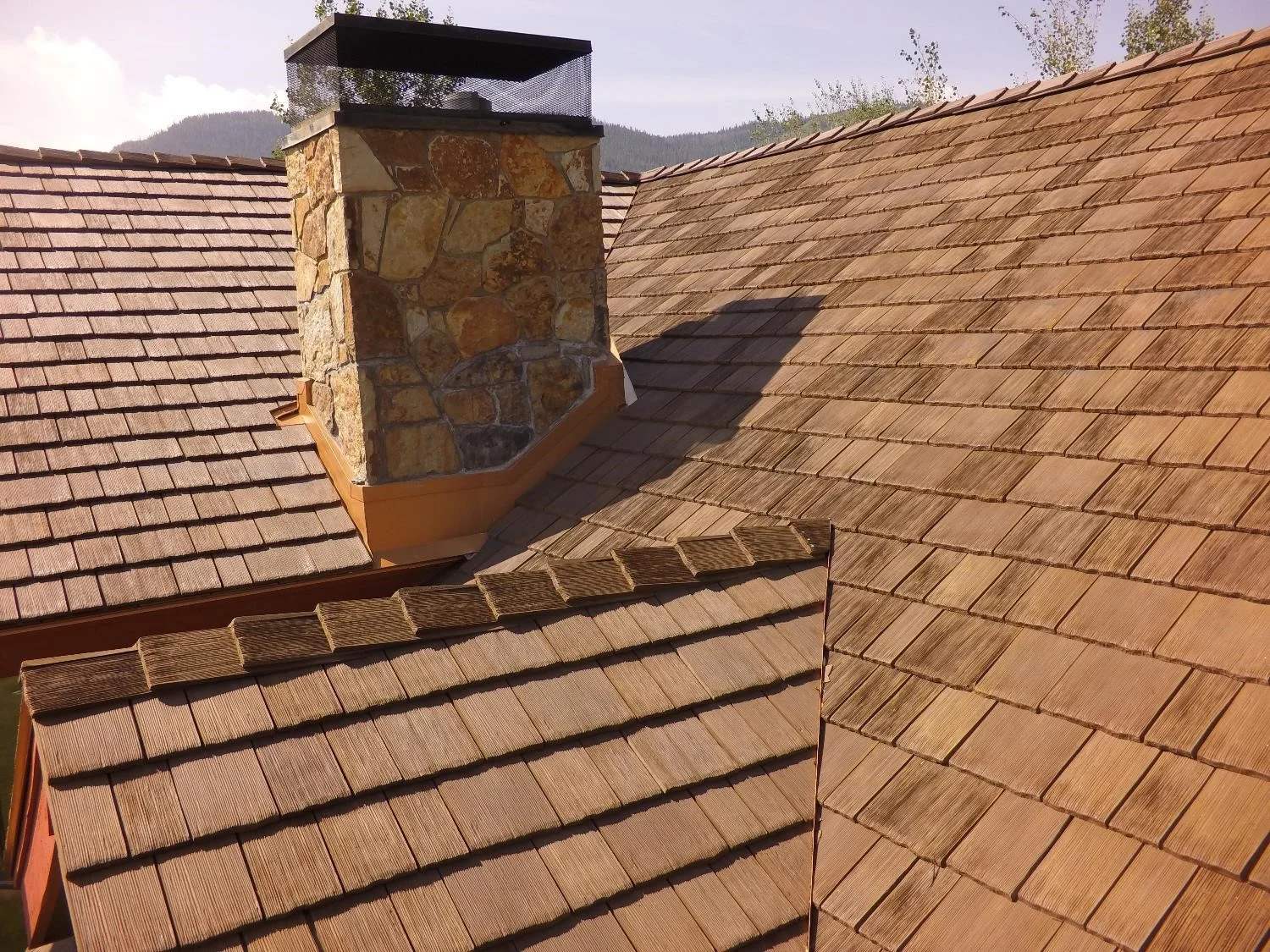
Shingle roofs are typically sloped systems covered with asphalt shingles. They are the most common roofing style for residential homes in North Texas.
Shingles are layered to shed water efficiently and protect against the elements.
Because shingle roofs are sloped, rainwater naturally runs off the surface. This reduces the risk of ponding water — especially important during heavy DFW rainstorms.
Architectural and impact-resistant shingles are designed to handle:
With proper installation, shingle roofs perform well in North Texas weather.
Shingles are available in:
They enhance curb appeal and blend well with residential designs.
For most homes, shingle roof repairs are straightforward and cost-effective when damage is localized.
Shingle systems work best when the home’s design supports proper drainage.
Flat roofs are low-slope systems commonly found on commercial buildings, modern homes, and certain residential additions.
Instead of shingles, flat roofs often use membrane systems such as:
These materials are designed to create a watertight surface.
Flat roofs are practical for large surface areas and commercial properties.
They allow space for:
Some residential properties use flat roofs for a contemporary design aesthetic.
Flat roofs are generally easier to access for maintenance compared to steep slopes.
Flat roofs do not shed water as quickly as sloped systems.
Poor drainage can lead to:
Proper installation and maintenance are critical.
In hail-prone regions like DFW, flat roof membranes can suffer:
Regular inspections are essential to maintain performance.
Depending on material type and maintenance, flat roofing systems may require replacement sooner than high-quality shingle systems.
The best option depends on:
For most residential homes in the DFW Metroplex, shingle roofs provide excellent durability and curb appeal. For commercial properties or modern designs, flat roofs may be more practical.
Regardless of roof type, performance depends heavily on:
Quality workmanship plays a greater role than roof style alone.

Flat roofs and shingle roofs both serve specific purposes. Understanding the advantages and limitations of each helps ensure your property is protected against North Texas weather conditions.
If you’re evaluating roofing options for your home or commercial property in the DFW Metroplex, Timeless Roofing provides transparent evaluations, professional guidance, and quality installation designed for long-term durability and performance.

.svg)

.svg)
.svg)
.svg)