

.svg)


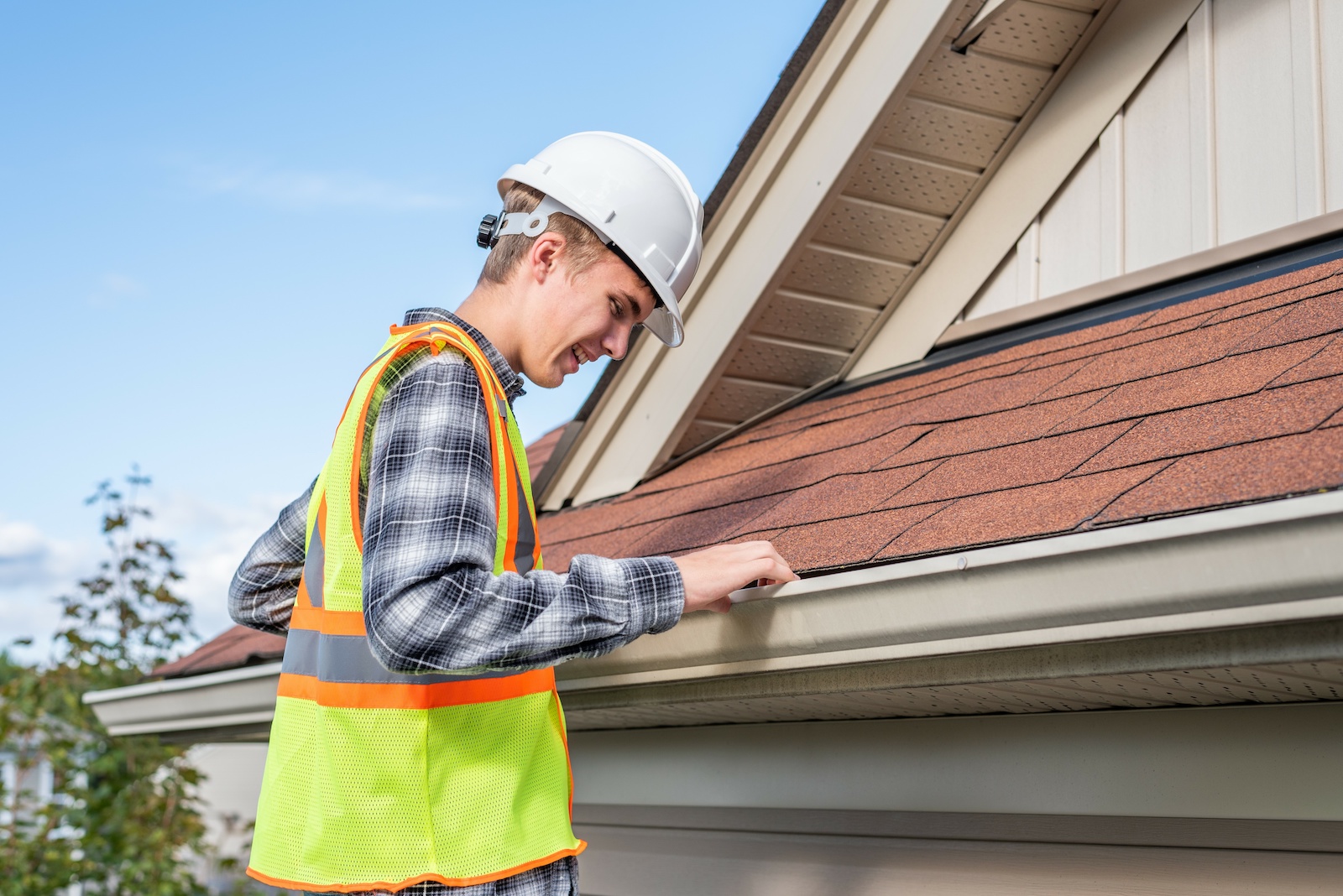
Most homeowners in the Dallas-Fort Worth area don't think about their roof until something goes wrong. A water stain appears on the ceiling. Shingles show up in the yard after a storm. A neighbor mentions they just had their roof replaced. That's usually when the question comes up — do I actually need a roof inspection?
The short answer is yes. And if you live in DFW, the answer is yes more urgently than almost anywhere else in the country.
North Texas puts roofs through some of the most punishing conditions imaginable. Brutal summer heat that exceeds 100 degrees for weeks at a time. Hailstorms that arrive with almost no warning. Heavy spring rains. Occasional ice storms in the winter. Each of these takes a toll on your roofing system — and most of the damage they cause is completely invisible from the ground.
A professional roof inspection is one of the smartest, most cost-effective things a DFW homeowner can do. This post breaks down exactly what a roof inspection involves, when you need one, what inspectors look for, and how catching issues early can save you from a much larger bill later.
A roof inspection is a thorough, systematic evaluation of your entire roofing system — not just a quick glance from the driveway. A qualified roofing professional examines every component of your roof, both from the exterior and the interior, to identify any existing damage, signs of wear, or areas that could become a problem down the road.
At Timeless Roofing, every inspection is documented with photos and video so you can see exactly what we're seeing. We don't hand you a vague report and disappear — we walk you through everything we find and explain what it means for your home in plain language.
A professional roof inspection typically covers:
The full process typically takes one to two hours depending on the size and complexity of your roof. When it's done, you'll have a clear picture of exactly what condition your roof is in.
One of the most common questions we hear is: how often should I get my roof inspected? For most DFW homeowners, the answer is at least once a year — and more frequently if certain conditions apply.
Here's a breakdown of when a roof inspection makes the most sense:
This is the most important time to get a roof inspection in North Texas. The DFW Metroplex averages six to eight significant hail events per year, and hail damage is almost never fully visible from the ground. Granule loss, bruised shingles, and cracked underlayment can all occur without a single obvious sign — until months later when a leak starts to develop.
If your area got hit by hail, don't wait to see if a leak appears. By the time you see water damage inside, the repair costs have already multiplied. Schedule a roof inspection within a few days of any significant storm.
Even if nothing obviously went wrong, your roof ages every single year. Texas heat alone causes asphalt shingles to dry out and lose flexibility over time. An annual roof inspection lets you catch small issues — a loose piece of flashing, a few missing granules, a small crack near a vent — before they become large and expensive ones.
Think of it the same way you think about getting your car serviced. You don't wait until the engine light comes on.
Older roofs need more attention. Most asphalt shingles are rated for 20 to 30 years, but that rating assumes ideal installation, proper ventilation, and average weather conditions. In DFW, where the weather is anything but average, roofs often show significant wear well before their rated lifespan is up.
If your roof is a decade old or older, annual inspections become even more critical. You want to know where things stand before a storm makes the decision for you.
If you're purchasing a home in DFW, a roof inspection before closing is essential. A general home inspection will look at the roof, but not with the same depth a roofing specialist will. Knowing the true condition of the roof could save you from inheriting a costly repair — or give you leverage in the negotiation.
If you're selling, having a recent roof inspection on record gives buyers confidence and can prevent delays at closing.
Whether it's a repair, a partial replacement, or a new installation, a roof inspection after the work is completed verifies that everything was done correctly. Poorly installed flashing or improperly sealed penetrations are among the most common causes of leaks — and they're not always obvious during the job.
Roof inspections in North Texas have a few unique focal points that inspectors in other parts of the country don't need to worry about as much.
Granule loss from heat and hail. Asphalt shingles in DFW deal with both constant UV exposure and repeated hail impacts. Granule loss accelerates aging dramatically. An inspector will note not just whether granules are missing, but the pattern of loss — which can reveal whether it's normal aging or hail-specific impact damage.
Flashing failure around chimneys and vents. The expansion and contraction caused by Texas temperature swings — hot summers and cold winters — loosens flashing over time. This is one of the most common sources of roof leaks in DFW homes, and it's completely invisible from the ground.
Wind uplift damage. North Texas windstorms are serious. Inspectors check the edges and corners of your roof — areas most vulnerable to wind — for lifted shingles, separated seams, and compromised adhesive strips.
Attic ventilation problems. Poor attic ventilation traps heat, which shortens the lifespan of your shingles from the inside out. In Texas summers, an improperly ventilated attic can reach 150 degrees or more, causing shingles to deteriorate far faster than they should. A proper roof inspection always includes checking your attic's ventilation.
Storm-related soft metal damage. Dented gutters, vent caps, and flashing are reliable indicators of how severe a recent hailstorm was. If these metal components show impact damage, your shingles almost certainly took a hit too — even if you can't see it from the driveway.
We understand that it's easy to put off a roof inspection, especially when your roof looks fine from the outside and there's no obvious problem. But in DFW, this is a gamble that homeowners frequently lose.
Here's what happens when small roof issues go uninspected and unaddressed:
Small leaks become structural damage. Water that gets in through a cracked shingle or failed flashing doesn't stay small. It works its way into the decking, the insulation, and eventually the interior of your home. Mold can develop within 24 to 48 hours of water intrusion in the right conditions.
Insurance claims become harder to file. If you haven't documented your roof's condition before damage occurs, it's much harder to establish what was caused by a storm versus what was pre-existing wear and tear. Insurance companies look for proof of regular maintenance. Inspection records are your documentation.
Repair costs multiply. A missing shingle addressed today might cost a few hundred dollars. That same missing shingle ignored for a year can turn into a rotted decking section, ceiling damage, and mold remediation — a repair that costs many times more.
Your roof's lifespan shortens unnecessarily. Roofs that are inspected and maintained regularly last significantly longer than those that aren't. In DFW's climate, the difference between a properly maintained roof and a neglected one can easily be five to ten years of additional lifespan.
At Timeless Roofing, we built our entire business model around doing roof inspections the right way. That means you work directly with us — not a subcontractor, not a call center, not someone who drove in from out of state after a storm.
Here's what the process looks like:
Step 1 — We assess your roof thoroughly. We examine every slope, every seam, every piece of flashing, and every penetration. We check your gutters, your attic, and all the soft metal components that can tell us how severe recent weather has been.
Step 2 — We document everything with photos and video. You'll see exactly what we see. No vague reports. No mystery damage. If we find something, we show it to you and explain what it means.
Step 3 — We walk you through our findings in plain language. We're not going to hit you with roofing jargon. We'll tell you what's going on, what the priority level is, and what your options are — honestly.
Step 4 — If a claim makes sense, we guide you through it. If the damage we find is storm-related and your insurance should cover it, we'll help you file the claim and meet the adjuster on-site to make sure everything is properly documented.
Step 5 — You decide what happens next. No pressure. No rush. You'll have all the information you need to make the right decision for your home.
DFW storm season doesn't take a break, and neither does the heat that wears your roof down all summer long. A professional roof inspection is the single most effective thing you can do to stay ahead of costly repairs and protect the investment you've made in your home.
Whether your roof is brand new, ten years old, or just took a hit from a recent hailstorm, you deserve to know exactly what condition it's in.

Don't wait until a leak tells you something's wrong.
At Timeless Roofing, we offer thorough, honest roof inspections for homeowners across the DFW Metroplex. We document everything, explain everything, and never pressure you into work you don't need.
Schedule your free roof inspection with Timeless Roofing today — before the next DFW storm makes the decision for you.

.svg)

.svg)
.svg)
.svg)