

.svg)


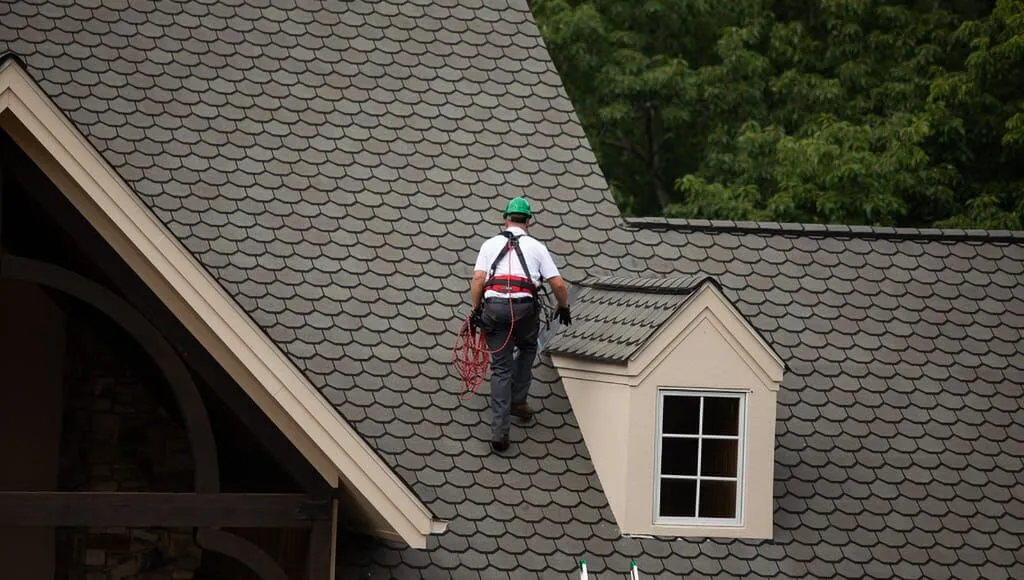
Roof shingles serve as the first line of defense against the elements. They protect your home from rain, wind, heat, and storms while helping maintain the integrity of the roofing system. However, over time, shingles can begin to deteriorate due to various environmental and structural factors.
In the DFW Metroplex, roofing materials are constantly exposed to intense sun, severe storms, and fluctuating weather conditions. Understanding what causes roof shingle damage can help homeowners recognize early warning signs and maintain the health of their roof.
Weather is one of the biggest factors affecting the condition of roof shingles. In North Texas, roofs experience a wide range of weather conditions throughout the year.
Over time, exposure to weather may cause shingles to:
Repeated exposure to these conditions can gradually weaken the roofing system.
Hailstorms are common in the DFW area and can cause significant damage to shingles. Even small hailstones can affect roofing materials by creating impact marks or loosening the protective surface of the shingles.
Hail damage may result in:
Because hail damage is sometimes difficult to detect from the ground, inspections after storms are often recommended.
Windstorms can place enormous pressure on roofing systems. Strong gusts may lift shingles and break the adhesive seal that holds them in place.
When shingles become loose, they may:
Once shingles are displaced, the underlying roofing layers may become vulnerable to moisture.
The intense Texas sun can gradually weaken roofing materials over time. Ultraviolet (UV) rays cause shingles to dry out and lose flexibility.
As shingles age from sun exposure, they may begin to:
Heat exposure can significantly shorten the lifespan of roofing materials if the roof is not properly maintained.
Trees located near the home can sometimes contribute to shingle damage. During storms or windy conditions, branches may scrape against the roof surface or fall directly onto it.
Debris can cause:
Keeping branches trimmed and removing debris after storms helps protect roofing materials.
All roofing materials eventually reach the end of their lifespan. Asphalt shingles, which are common in residential roofing systems, typically last between 15 and 30 years depending on installation quality and weather exposure.
As shingles age, they may begin to show signs such as:
Regular inspections help homeowners monitor the condition of aging roofing materials.
Another factor that can contribute to shingle damage is improper installation. Roofing systems must be installed carefully to ensure materials function as intended.
Installation issues may include:
Professional installation helps ensure shingles remain secure and durable over time.
Ventilation plays an important role in preserving roofing materials. Without proper airflow in the attic, heat and moisture can build up beneath the roof.
Poor ventilation may cause shingles to:
Maintaining balanced attic ventilation helps protect the roofing system.
While weather conditions cannot be controlled, homeowners can take steps to help reduce the risk of shingle damage.
Helpful preventative measures include:
Proactive maintenance helps extend the life of the roofing system.

Roof shingles play a vital role in protecting your home from the elements. Understanding the factors that contribute to shingle damage allows homeowners to address issues early and maintain the durability of their roof.
If you want to ensure your roofing system remains strong and capable of handling the challenging weather conditions of North Texas, Timeless Roofing provides thorough inspections and quality craftsmanship designed to help homeowners maintain dependable roofing systems throughout the DFW Metroplex.

.svg)

.svg)
.svg)
.svg)