

.svg)


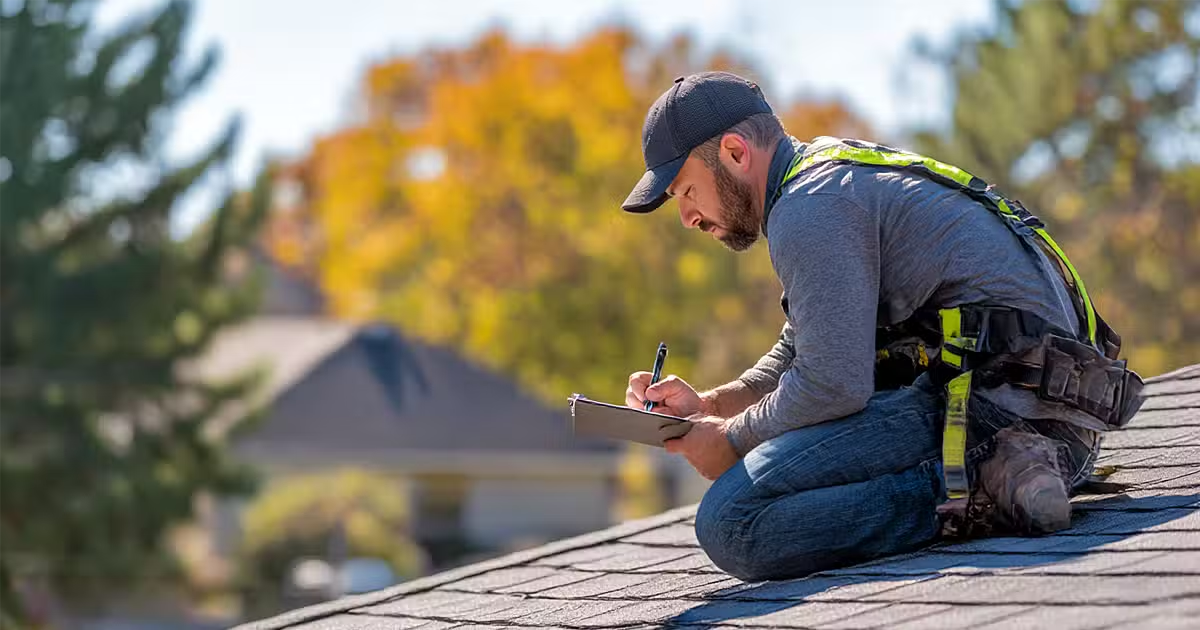
In the DFW Metroplex, roofs take a beating. Between hailstorms, high winds, heavy rain, and extreme heat, even a well-installed roof can develop hidden issues over time. Many homeowners wait until a leak appears before calling for help — but by then, damage may already be extensive.
Here are 10 signs it’s time to schedule a roof inspection before small problems turn into costly repairs.
In Texas, asphalt shingle roofs typically last 15–30 years depending on material quality and storm exposure.
Once your roof reaches the 15-year mark:
Even without visible issues, aging alone justifies evaluation.
Hail damage is often subtle.
After a storm, you may not see obvious holes, but damage can include:
Post-storm inspections help catch hidden damage early.
If you notice shingles that are:
Your roof may already be vulnerable to water intrusion.
Wind damage in DFW can worsen quickly if not addressed.
Shingle granules protect against UV damage.
Excess granules in your gutters may indicate:
Granule loss reduces long-term durability.
Water stains on ceilings or walls often indicate roof leaks.
Look for:
Interior signs usually mean exterior damage has progressed.
A sagging section of roof may suggest:
Structural concerns require immediate professional evaluation.
If your cooling costs are climbing unexpectedly, roof ventilation may be compromised.
Poor ventilation can:
An inspection can determine whether airflow imbalance is present.
Flashing protects roof transitions and penetrations.
Signs of flashing issues include:
Flashing failure is a common cause of leaks.
Roof condition impacts:
Scheduling an inspection before listing your home prevents surprises during the transaction process.
Even if everything appears fine, routine inspections are recommended annually in Texas — and after major storms.
Proactive evaluations help:
Waiting for visible damage increases risk.

In the DFW Metroplex, storm exposure is a regular part of homeownership. Recognizing these warning signs and scheduling an inspection early can prevent costly interior damage and premature replacement.
If you’ve noticed any of these signs or simply want peace of mind about your roof’s condition, Timeless Roofing provides detailed inspections, transparent assessments, and quality craftsmanship designed to protect Texas homes year after year.

.svg)

.svg)
.svg)
.svg)